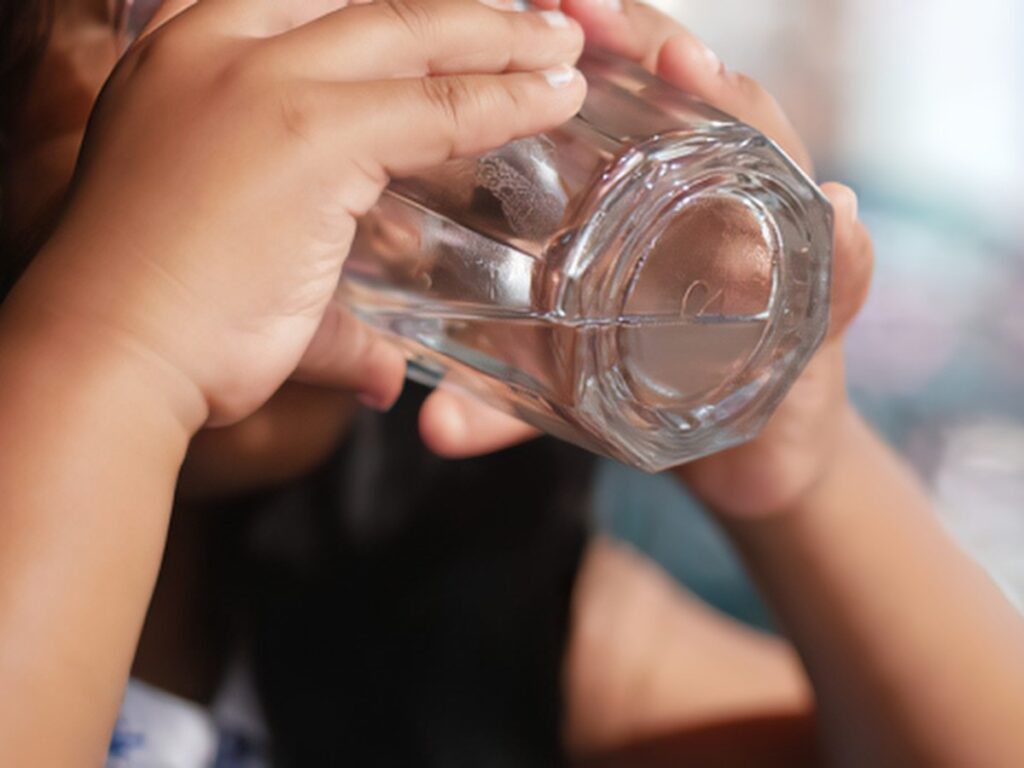
As adults, we’ve never been more aware of our own hydration. Most of us carry a water bottle everywhere, yet with our children, it can feel like a different story. New research 1 from Munchkin found that 93% of parents struggle to get their child to drink enough water. And while 81% said they felt confident about how much their child needs, only around one in six actually got the amount right.
As a dietitian, this data doesn’t surprise me. During weaning and beyond into the toddler years, much of the advice you’ll find online or the focus of attention goes to food, from first tastes, textures, nutrition and meal ideas, while water tends to become a second thought. But while we can see what’s left on the plate, as a dietitian and mum, I know it can be much harder to track the sips a child takes across a busy day.
Why does hydration matter so much in children?
Babies and children need a lot of fluid for their size, so regularly falling short, even by a little, can show up in ways many parents don’t expect. Drinking well supports regular, comfortable poos, good digestion, energy and concentration, and general wellbeing. Younger children also can’t always tell us when something feels off, so tiredness, headaches or grumpiness linked to not drinking enough are easy to miss.
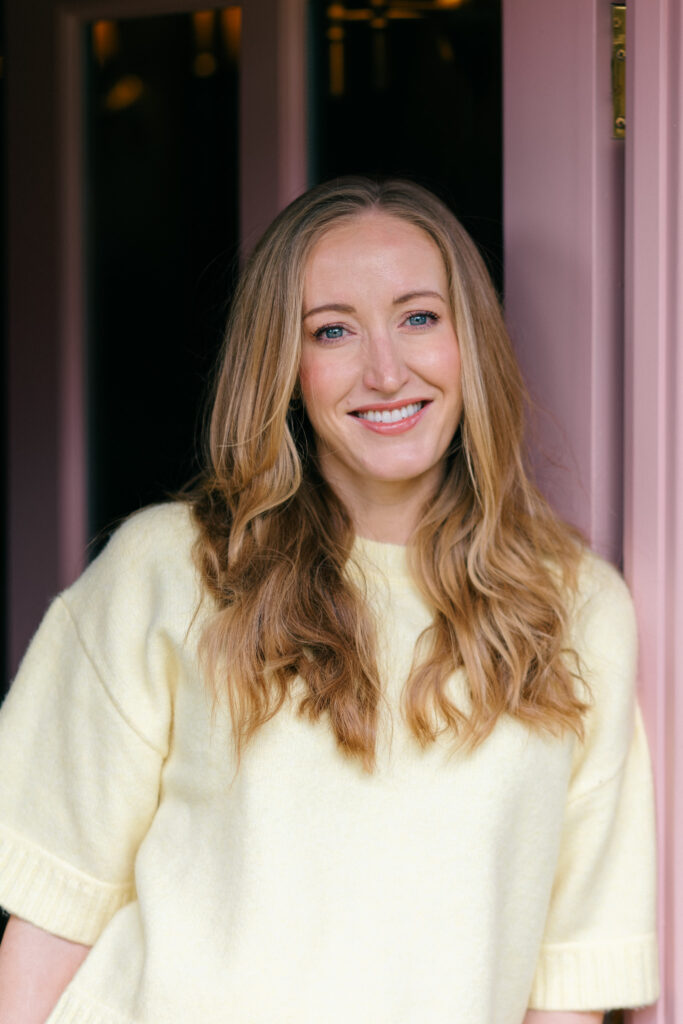
Lucy Upton is a Specialist Paediatric Dietitian and Feeding Therapist, founder of The Children’s Dietitian and author of The Ultimate Guide to Children’s Nutrition. She has worked with families for over 16 years and is a British Dietetic Association spokesperson. (Photo by: Emma Jackson)
How much should babies and young children be drinking?
From around six months, babies can start sipping water from a cup with their meals, alongside their usual breast milk or formula. The amount can increase gradually through weaning as milk volumes decrease and they become more proficient with a cup. For toddlers and young children, a helpful guide is around six to eight drinks a day, each roughly 100 to 150 ml, though the total volume needed will depend on your child’s size and activity levels. Food also contributes to your child’s daily fluid intake, from the milk on their cereal to the fruit at lunchtime; young children can often meet 20-30% of their fluid requirements from food alone. Rather than counting every ml of fluid, I encourage parents to look for signs that their child is well hydrated, for example, pale yellow wee, plenty of wet nappies, and soft, easy-to-pass poos.
Practical ways to support your baby or child’s hydration
Knowing that hydration is important is one thing, but as a parent I know first-hand how difficult it can be to encourage and support fluid intake in busy babies and children. Here are some tips I often share with parents in clinic.
Aim to offer a drink with every meal and snack (past 12 months), making it a clear part of eating and mealtime routines.
Babies and young children learn through modelling and mirroring. They do what they see, not just what they are told! Try to have a drink at mealtimes too and make any hydration pitstops a shared activity with a little extra, like an obligatory ‘cheers’. As children get older, talking out loud about your signs of thirst, e.g. “My mouth is dry, I need a drink”, can help children recognise and respond to their own body cues too.
Seven in ten parents in the survey find plain water a challenge, and over a third add squash to help it go down. If that sounds familiar, please don’t feel guilty. If you’re starting weaning, offer water as a drink only, but if you have an older child who prefers squash, try making it a little weaker every few days until it’s mostly water.
45% of parents said playtime is the hardest moment to get drinks in. A cup left on the play table, in the garden, or in the buggy is more likely to be noticed, and if needed, incorporating the cup into play (e.g. a teddy or dolly wanting a drink) can also bring attention back to their cup.
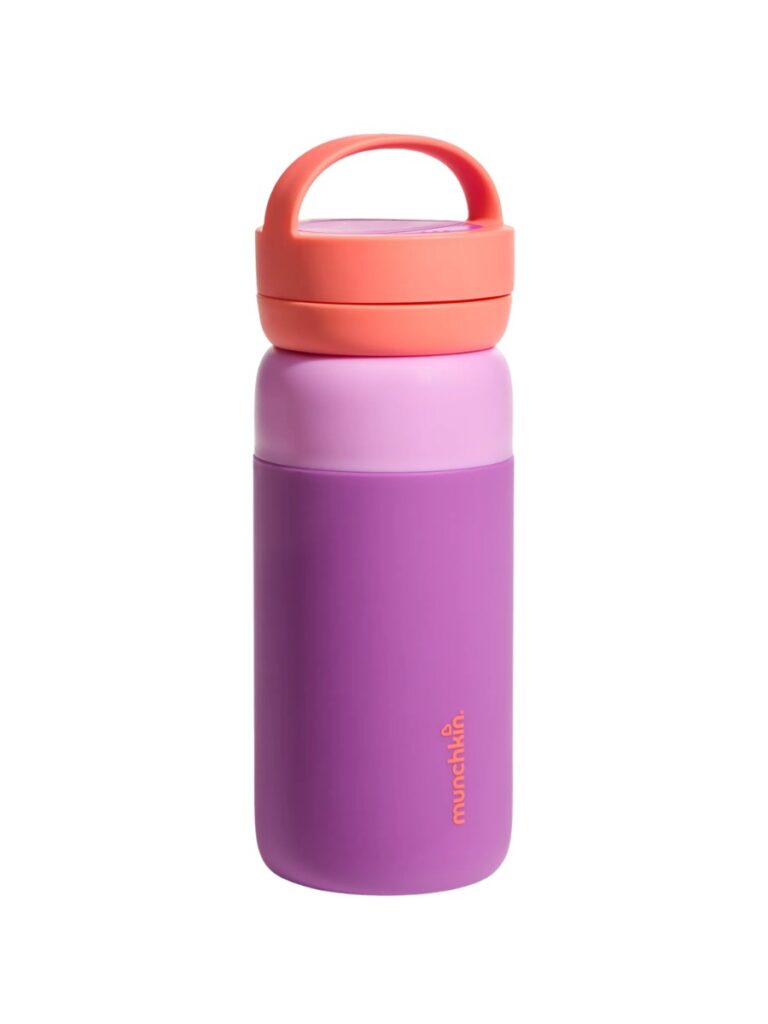
Sometimes just small changes can make a big difference to fluid intake and acceptance. Changing the water temperature, using a bottle that helps keep water cool (like Munchkin’s Stay Cool Water bottle), freezing fruit into ice cubes, or letting them choose between two cups can make a difference.
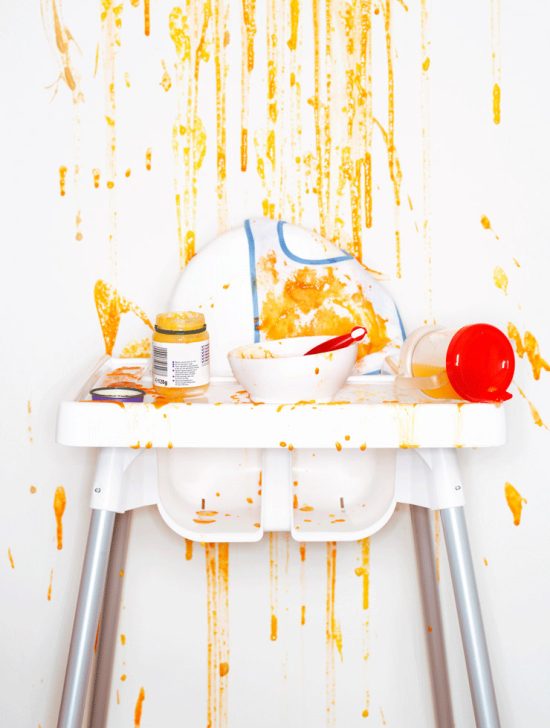
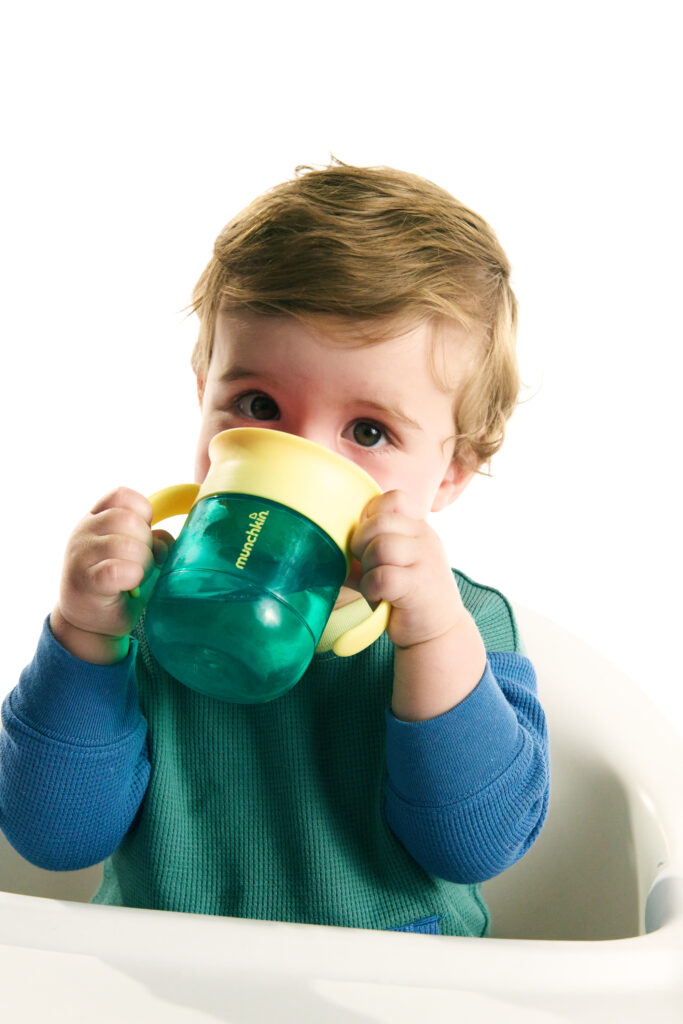
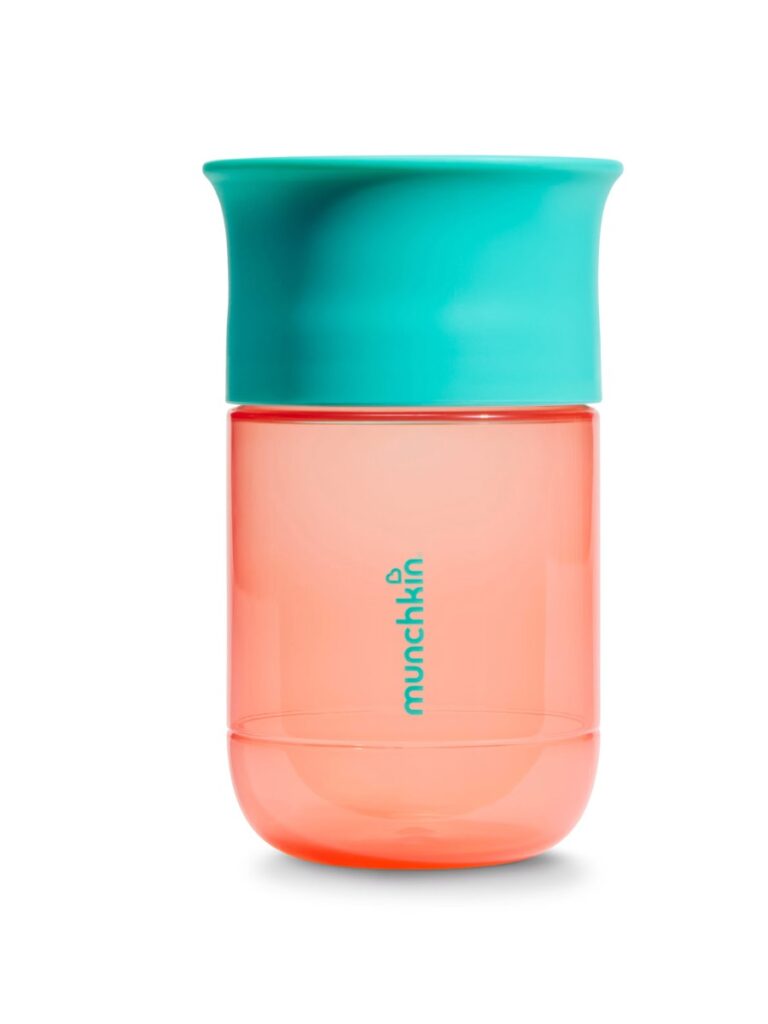
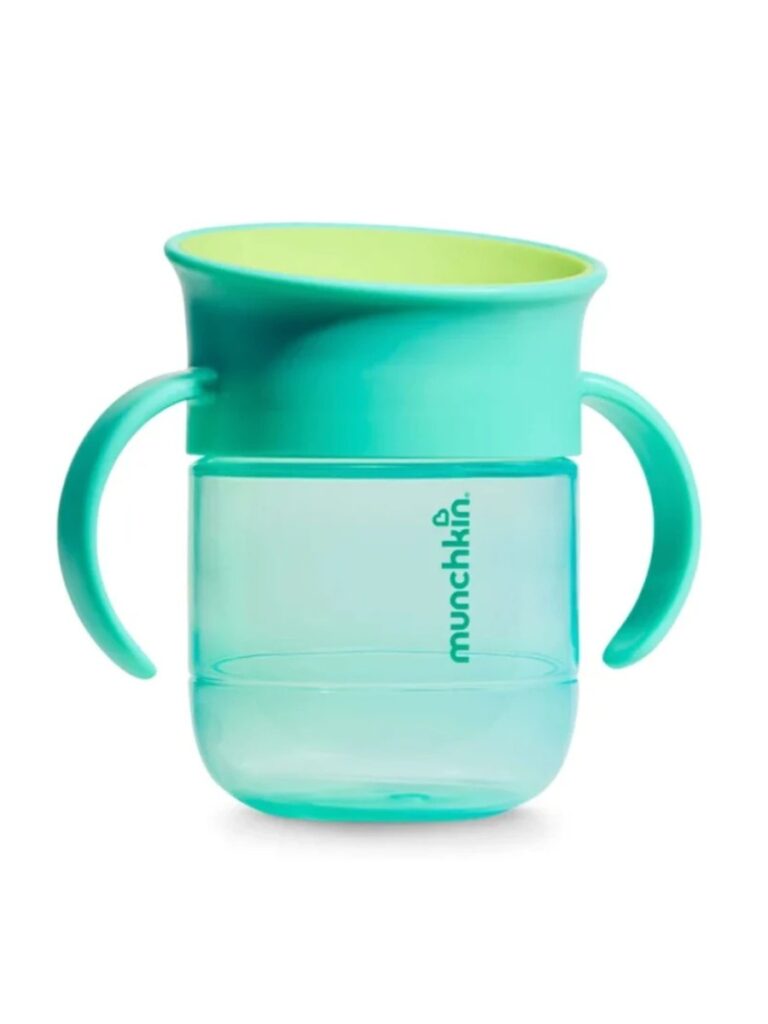
If your cupboard is full of cups that didn’t quite work out (46% of parents have more than five unused ones!), you’re not alone. When babies first start drinking from a cup, they’re learning a whole new set of skills, and each type of cup requires slightly different mouth movements. So rather than switching cups whenever one doesn’t seem to be working, pick one or two and stick with them. A good place to start is with Munchkin’s Grow with the Flow range, which brings together the Miracle 360 and the Control Flow cups, which can help with your little one’s transition from sippy cup to open cup drinking. Keep going even through the spills, the spitting and the dribbles down the chin. It takes time, and that mess is all part of the learning.
Our Favourite Munchkin Cups & Bottles
1. Survey data: The research was conducted by Censuswide among a sample of 1,000 parents of children aged 6 months–3 years old in the UK. The data was collected between 24.08.2026 and 01.09.2026.