One of the best things about having kids is that you get to rewrite your own story of what family life is—even if it’s really different from the family you grew up in. While there is no one-size-fits-all solution, some of the best parts of Japanese-style parenting are easily adaptable to British family life, too. And they just might help you mitigate a little bit of the chaos that comes with raising kiddos. I hope you’ll read these tips and find some which you can bring into your life without compromising your own idea of what parenting needs to look like for you.

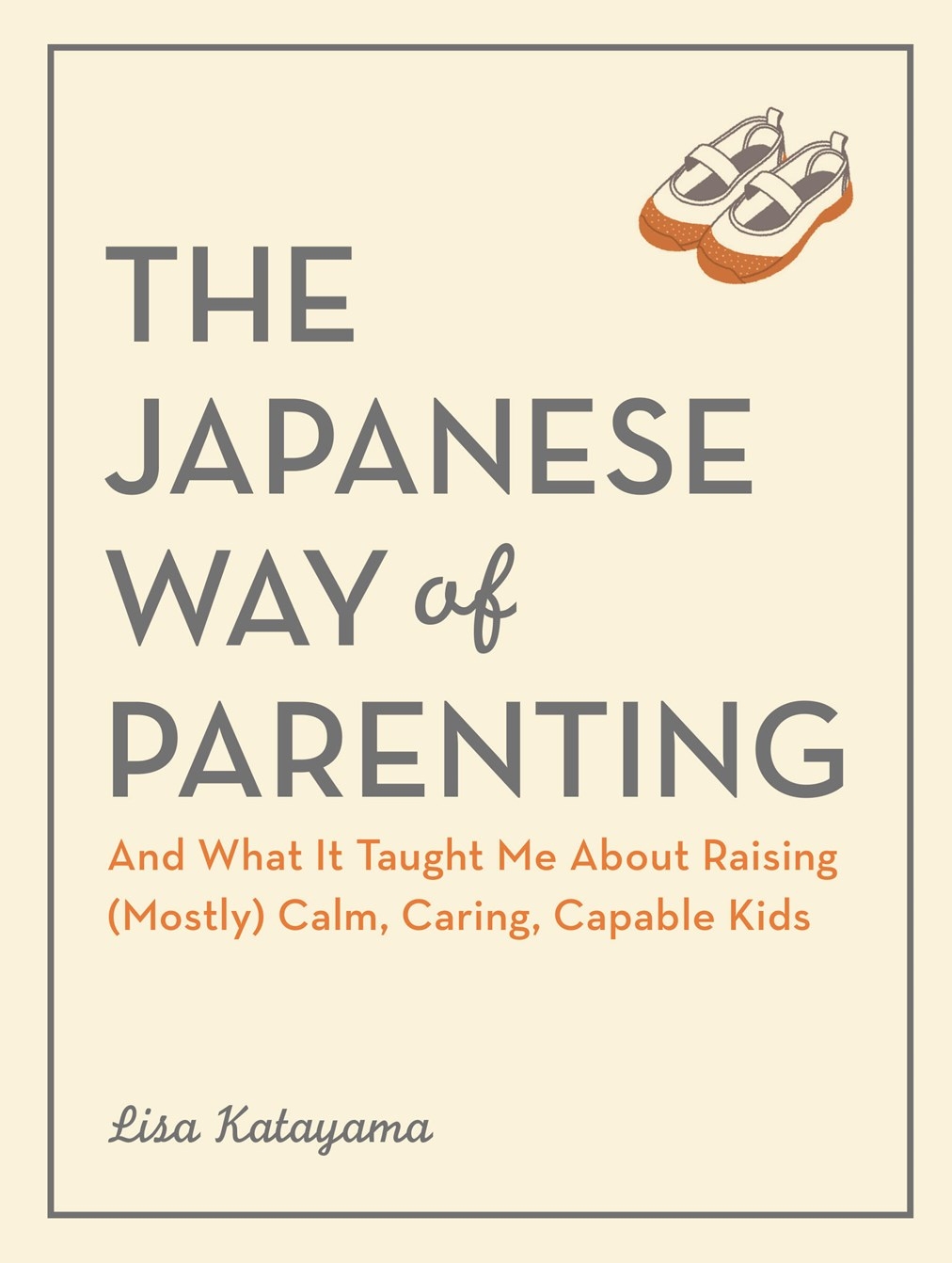
Lisa Katayama author of ‘The Japanese way of Parenting’ (Image by Dorka Hegedus)
Japanese children’s songs and stories almost always address animals in the polite form, using the ending -san, which is kind of like saying Mister Elephant or Miss Bear (but without a gender designation). Fruits and vegetables are often addressed this way, too. When we speak about everyone and everything with this level of respect, it helps train us to be respectful of our things. Since animals and plants come from nature, this also helps us develop a closer relationship with nature.
One of the things that best builds confidence in kids is allowing them to do things themselves. Nothing beats a sense of autonomy and accomplishment! I know that sometimes it’s just faster to do things for your toddler—like bus their plates, or put on their shoes, or put away their toys. But the small investments of time and patience that it takes to encourage and wait for kids to complete tasks themselves will eventually pay off big-time.
Ask any Japanese person if they know what Radio Taiso is and they will say yes. At some point in their lives, whether at school or at work or in front of the TV, they would have done this set of exercises, along with all their peers. It’s a combination of stretching, jumping, and other movements that loosen the joints and give you a little jolt of cardio that anyone—from the smallest child to the elderly—can safely do at home. The Japanese do this because it is an easy way to start the day with physical movement and group cohesion. My recommendation is that you try it at home with your kids. Like any other group exercise, whether that’s Zumba or Pilates or a HIIT class, knowing that you’re doing it with others can bring great joy and motivation—and what better way to start the weekend than to share joy and motivation with the entire family?
As tempting as it might be to run around with your kid who is having a great time playing on the geodesic dome structure and swings, consider the possibility that playground time can be a chance for you to kick back, relax, and not worry too much about what or how your kid is doing. They are probably fine. And you will be, too, as long as you stay off the playground equipment
Instead of bribing kids with treats and toys, try bribing them with the promise of a bright future full of joy. “I know you don’t want to leave this playdate, but if we leave now, we can come back another time.” “I know you don’t want to go to school, but if you go now, then I can come and pick you up later.” Notice that none of these promises are particularly earth-shattering—you’re simply repurposing things that are likely to happen anyway into a rewards framework
Japanese kids don’t always get to choose what they eat. But they’re also usually not as picky as British kids—and it might be just because they’re firmly asked to try everything at least once. Try convincing your kids that tasting a new food is as big an adventure as going down a giant slide. And if they don’t like it, you can still celebrate the fact that they tried!
Excerpted from The Japanese Way of Parenting by Lisa Katayama (Workman Publishing). Copyright © 2026.