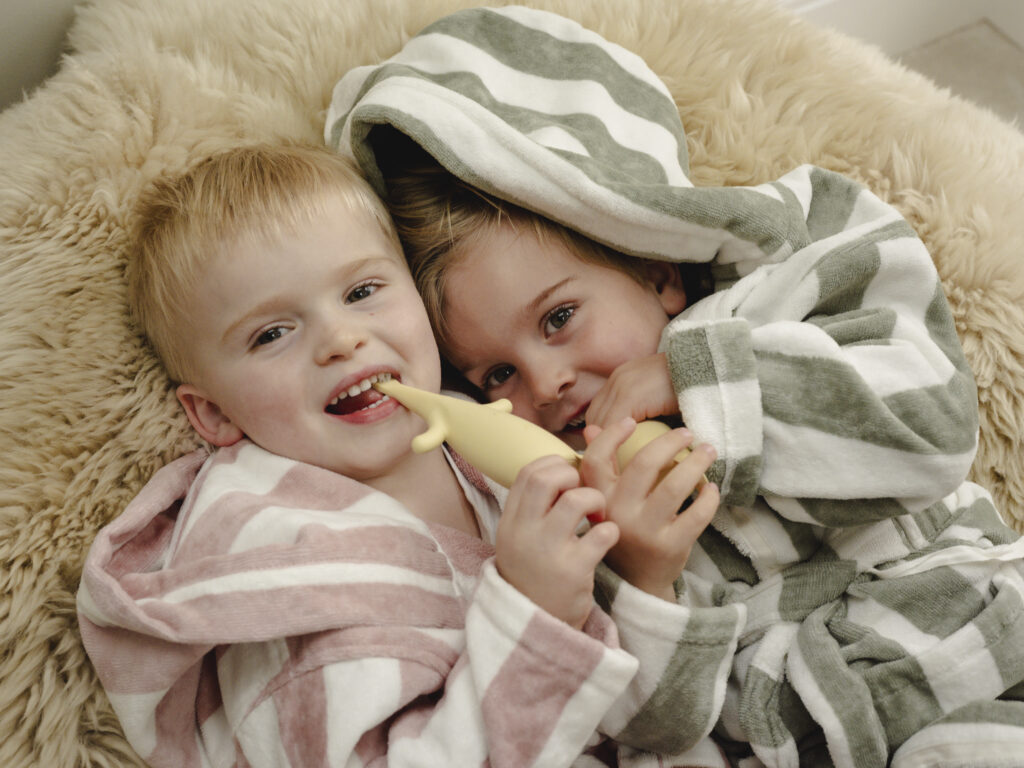
The First Steps to Lifelong Oral Health
The early years of childhood are full of magical milestones: first giggles, first steps and, of course, that first tiny tooth appearing. While baby teeth are temporary, they play a very important role. They help children chew comfortably, support speech development and guide adult teeth into their correct positions later on.
As dentists and mums ourselves, we know how powerful early habits can be. The small routines children learn in their earliest years often stay with them for life. The good news is that caring for little teeth does not have to feel complicated. A warm routine, a focus on prevention and a little playfulness can help set strong foundations for lifelong oral health.
Start Early
Once that first tooth arrives, it is time to begin brushing with a tiny smear of fluoride toothpaste and a soft brush designed for small mouths. At this stage, it is less about perfect brushing and more about building familiarity and comfort with the routine.
Prevention Is the Best Medicine
One of the most important messages we share with families is that prevention makes all the difference. Tooth decay is one of the most common childhood health conditions, yet it is largely preventable.
Simple habits such as brushing well, limiting frequent sugary snacks and seeing a dentist early go a long way in protecting children’s teeth.
We also encourage families to bring children to the dentist by their first birthday, or within six months of the first tooth appearing. Early visits are gentle and reassuring and help children feel comfortable in the dental environment.
Making Brushing Part of the Day
Children thrive on routine, and brushing works best when it becomes part of the natural rhythm of the day. Brushing twice daily, once in the morning and once before bedtime, is the gold standard.
Dentists recommend brushing before breakfast. If brushing happens after eating, it is important to wait at least 30 minutes before brushing, particularly if children have had acidic foods such as fruit or juice. Acids temporarily soften the enamel, and brushing too soon can contribute to enamel wear.
For toddlers and young children, two minutes can feel like a long time. Turning brushing into something fun makes a big difference.
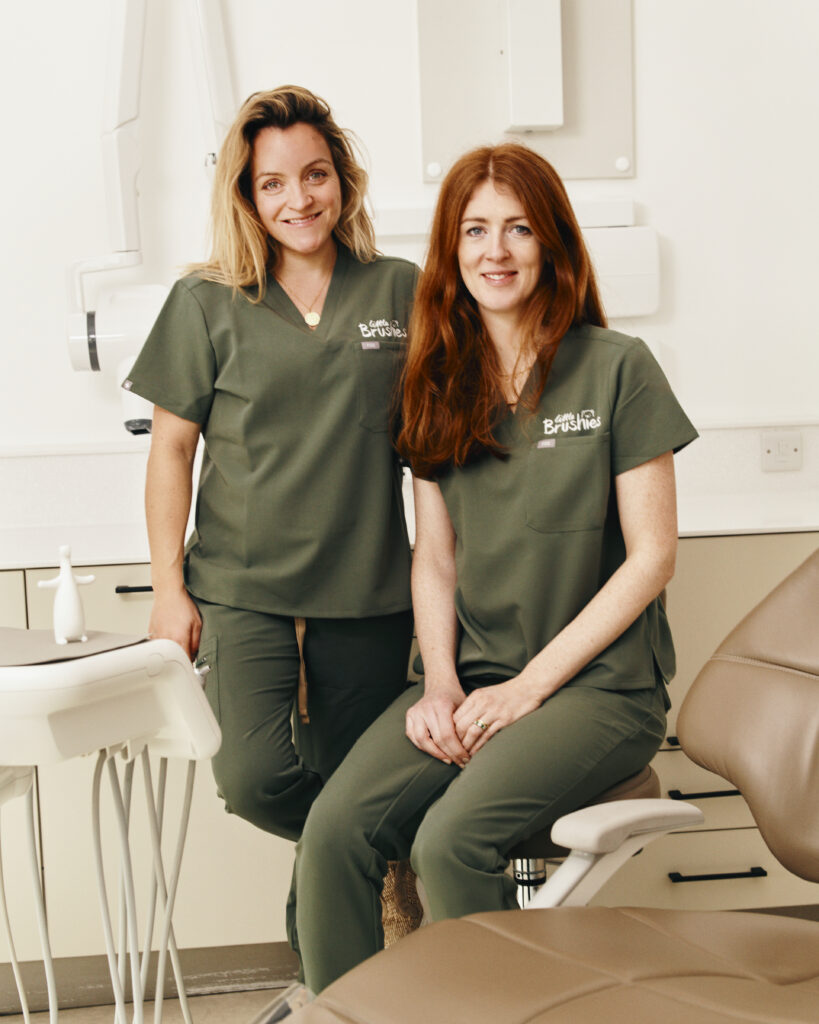
Dr. Mary Baptista & Dr. Annie Smith founders of Little Brushies
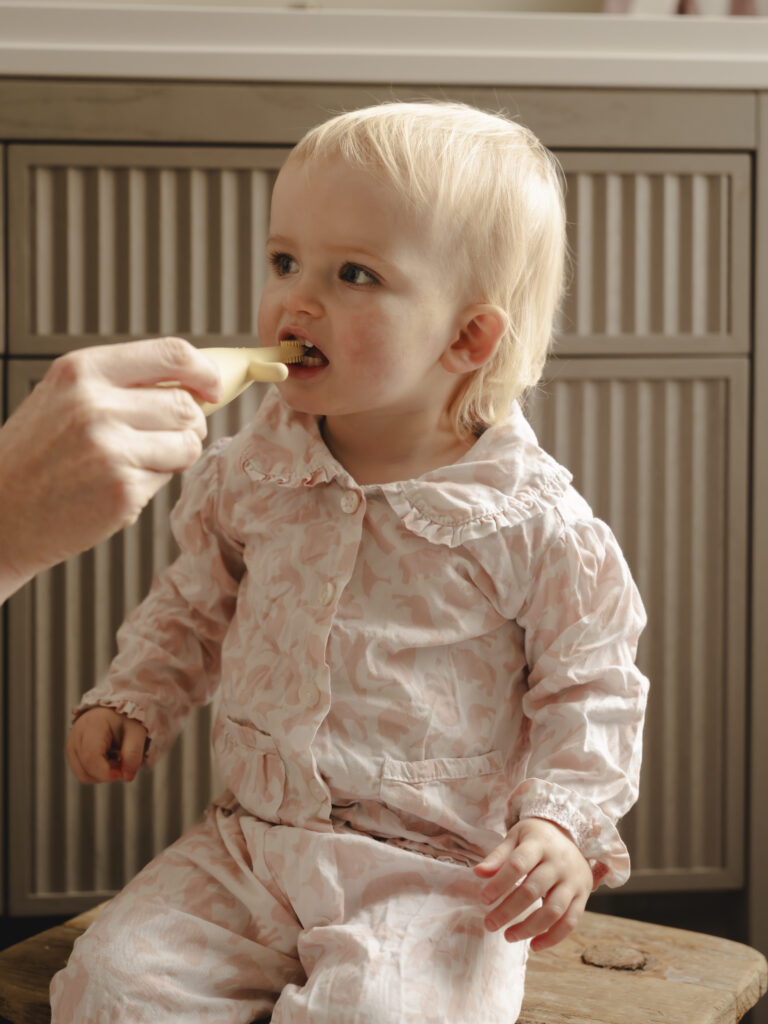
"We created Brushi Bear™ to help make the routine feel playful and comforting. Our in-built two-minute nursery rhyme timer engages and encourages children to brush for the recommended time, helping families turn brushing into a small moment of joy rather than a daily battle."
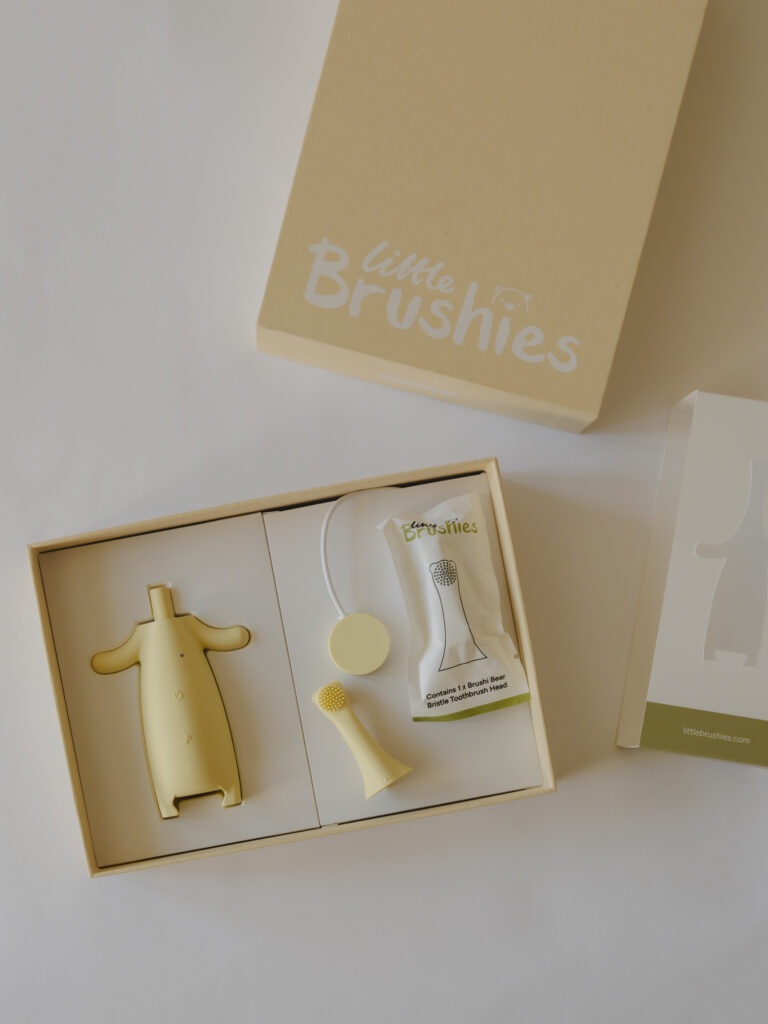
A sonic electric toothbrush for 0-4 year olds with a double-sided head.
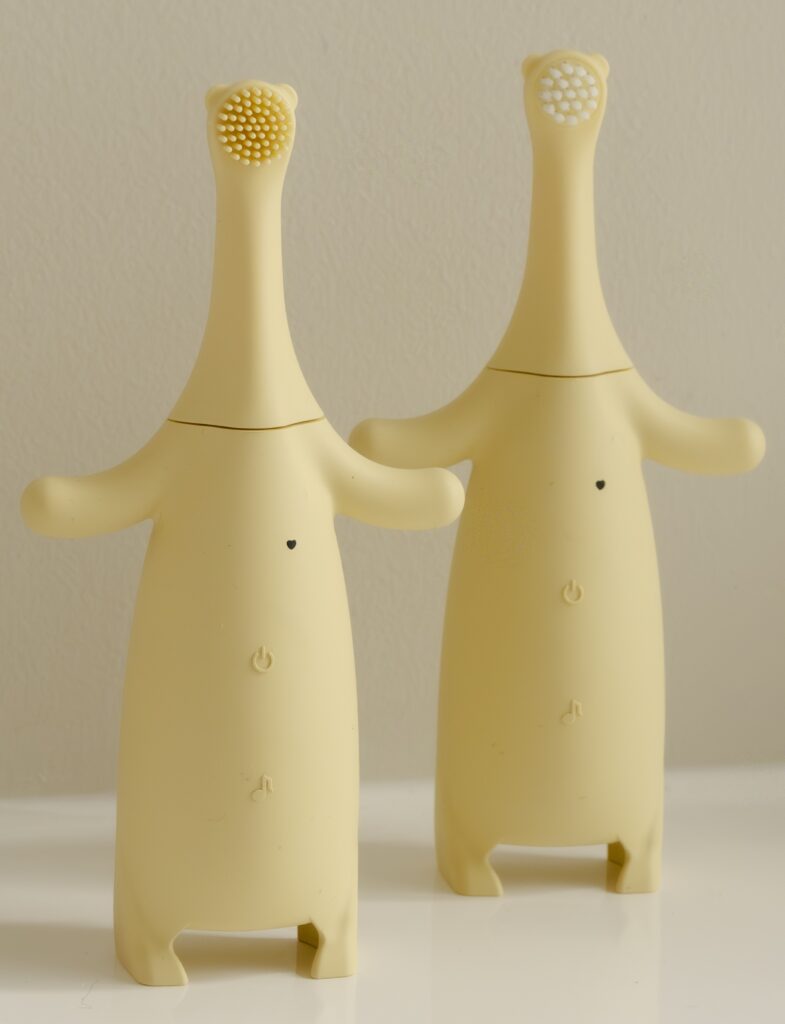
GIVEAWAY: FANCY TRYING FOR YOURSELF? WE HAVE A LITTLE BRUSHIES SET TO GIVEAWAY – JUST ENTER USING THE FORM BELOW.
Building Healthy Habits Together
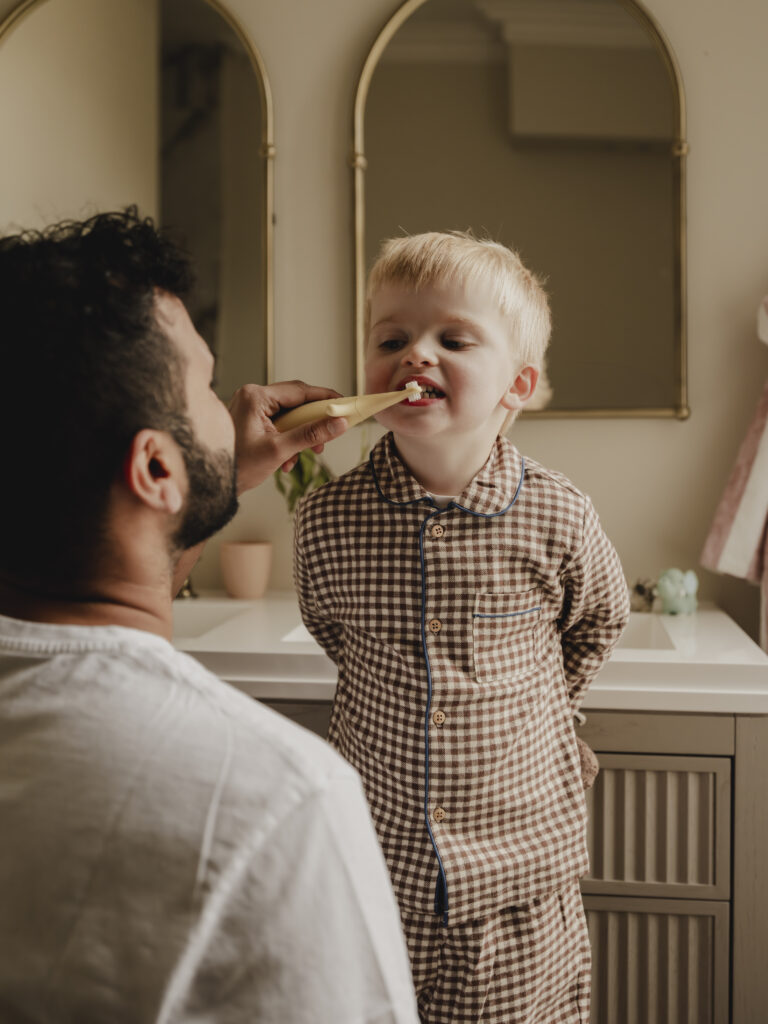
Children learn most by watching the adults around them. Brushing together as a family, singing a brushing song or making it part of the bedtime wind-down can transform the experience.
It is also helpful for parents to supervise brushing until children develop the coordination to do it well themselves, often around age seven.
Top Tips for Little Teeth
- Brush twice a day with fluoride toothpaste. Use a smear for children under 3, and a pea-sized amount from age 3 onwards.
- Brush for two minutes each time.
- Spit, do not rinse. This keeps the fluoride on the teeth for longer protection.
- Brush before breakfast, or wait 30 minutes after eating.
- Offer water as the main drink between meals.
Small Habits, Lifelong Smiles
Like many things in parenting, dental care does not have to be perfect. Consistency is what matters most. When brushing feels warm, familiar and part of everyday family life, children grow up seeing it as something positive rather than a chore.
Those tiny first teeth may be small, but the habits built around them can support a lifetime of healthy smiles.
JUNIOR EDIT: Best toothpastes for babies, toddlers and children
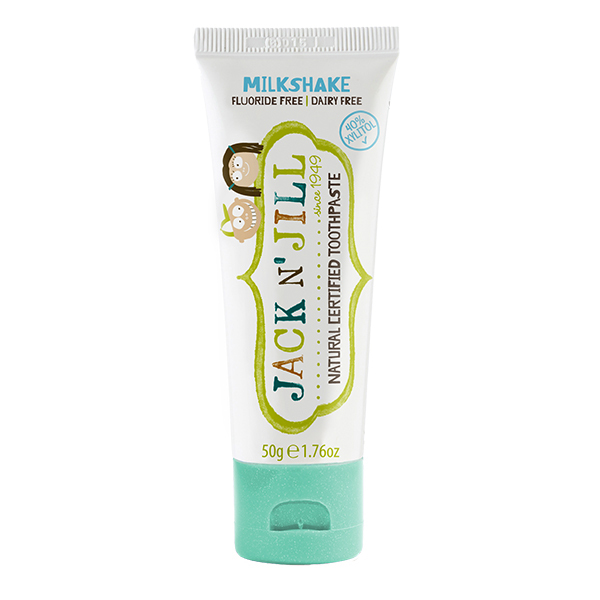
Natural Toothpaste Milkshake, £5.50, Jack n’ Jill Kids
Use from: 6mths
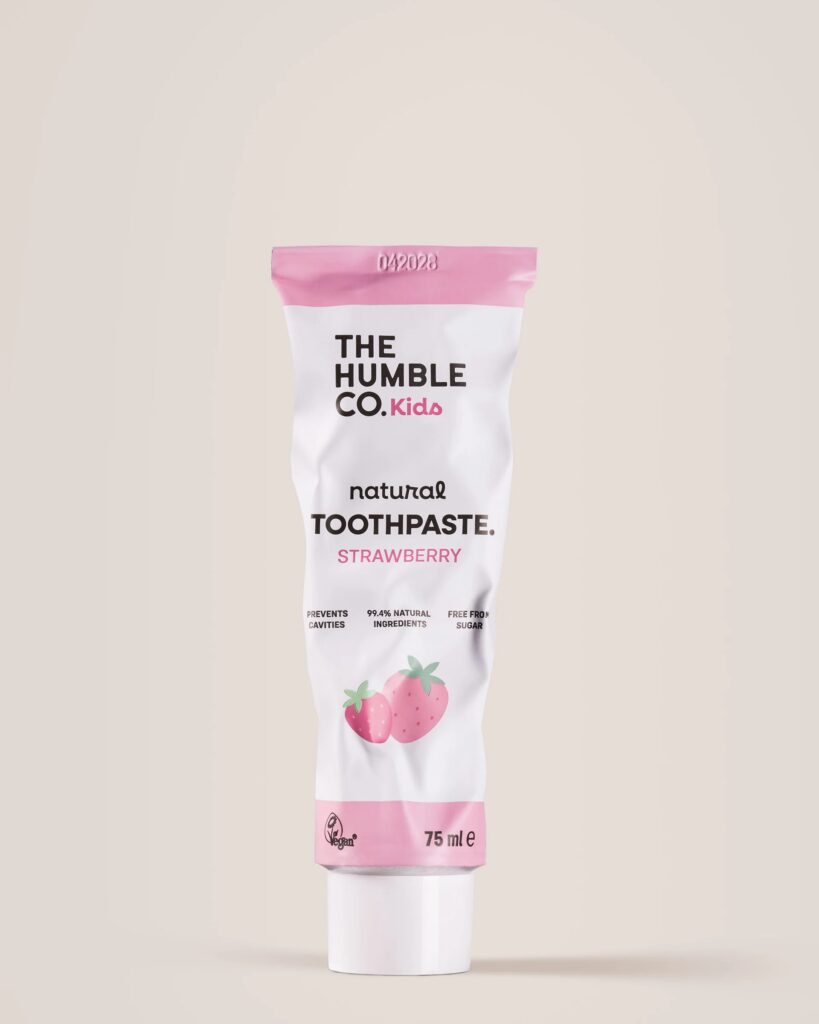
Natural Toothpaste in Strawberry, £4, The Humble Co.
Use from: 6mths +
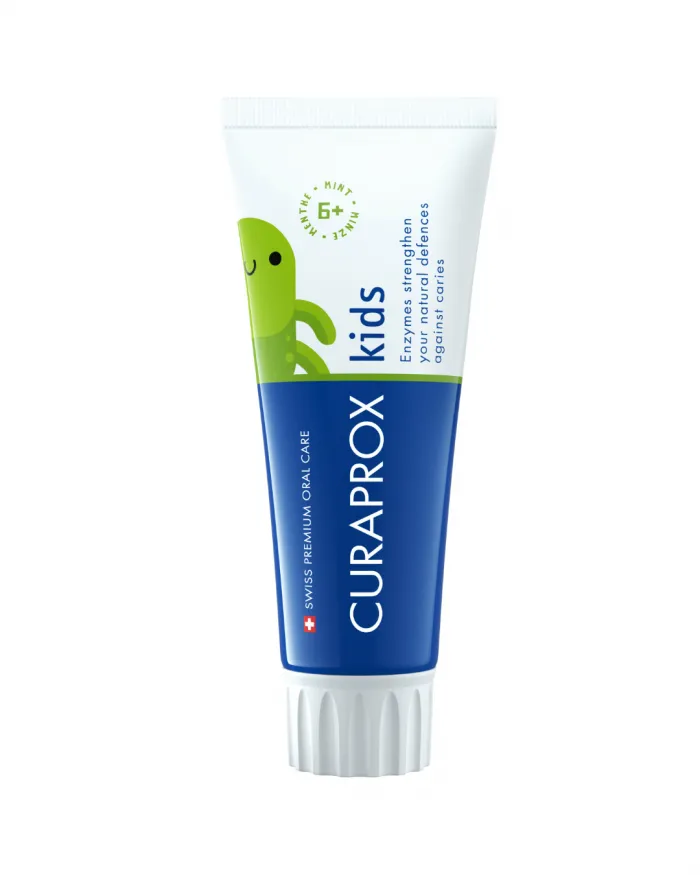
Minty Magic Kids Toothpaste,£6, Curaprox
Use from: 6+ years
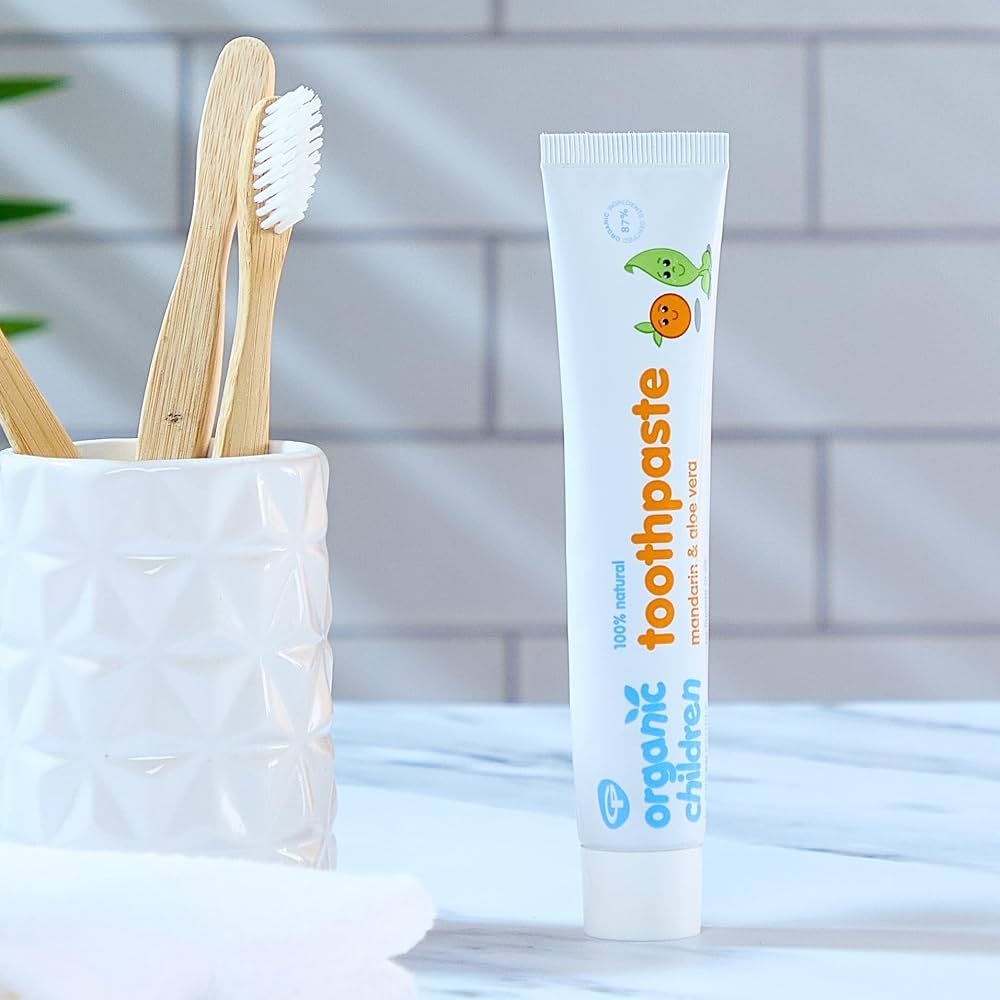
Organic Mandarin and Aloe Vera Toothpaste, £6.75, Green People
Use from: all ages
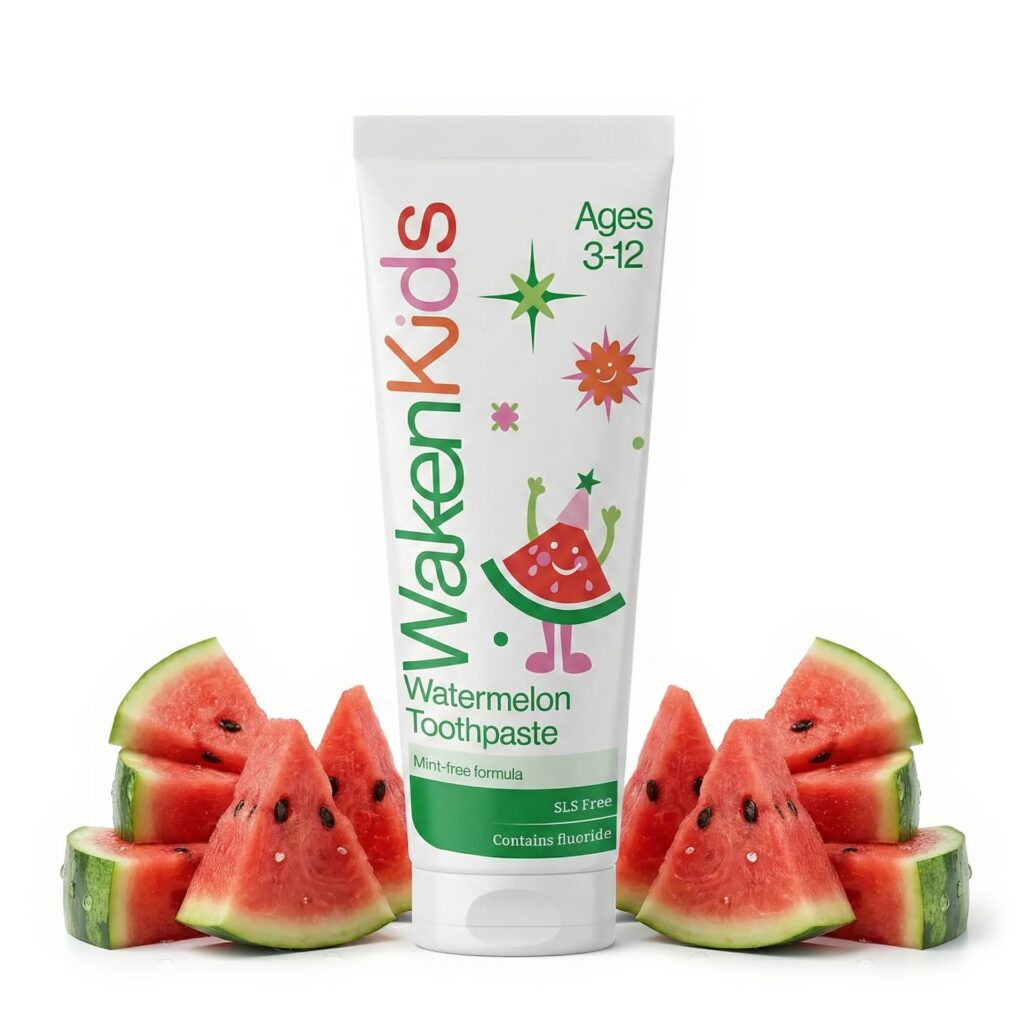
Watermelon Kids Toothpaste, £3.50, Waken
Use from: 3-12 years
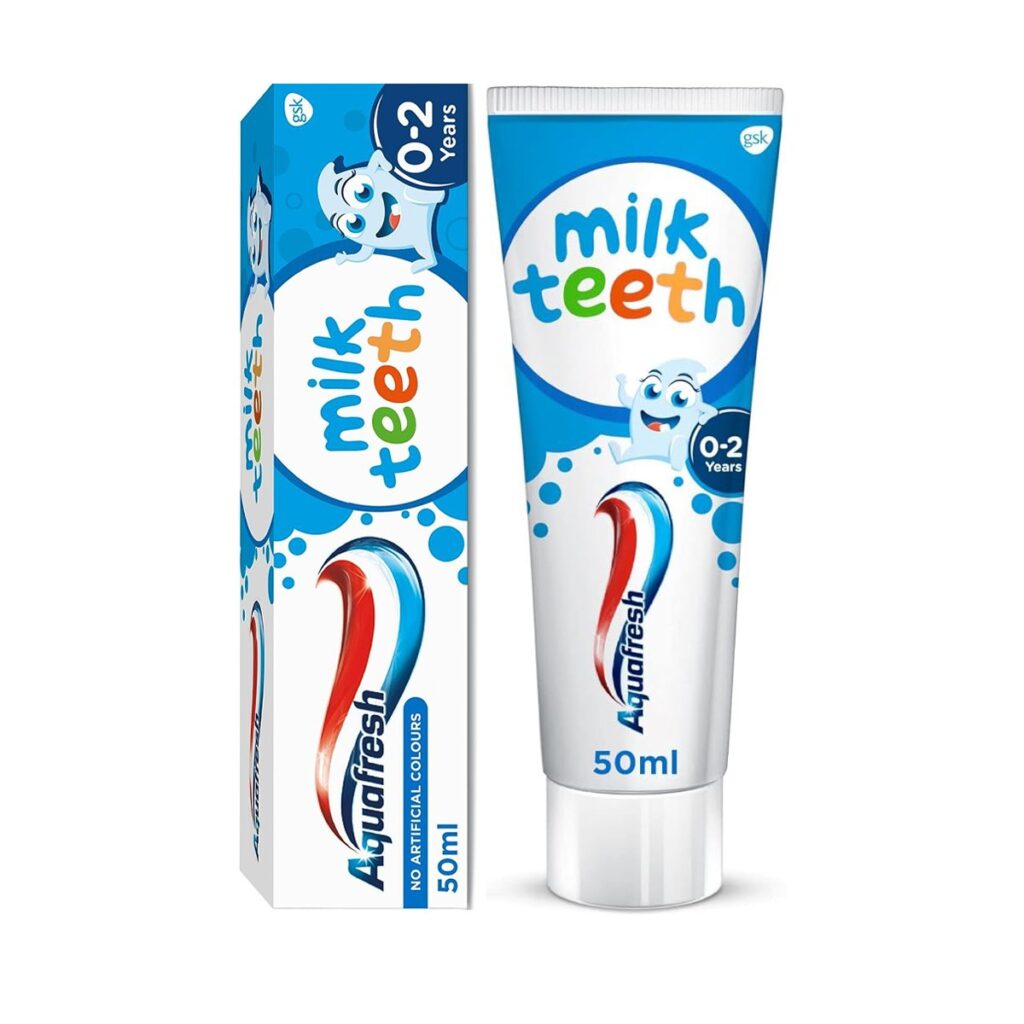
Aquafresh Kids Milk Teeth Toothpaste, £1.75, Boots
Use from: 0-2 years
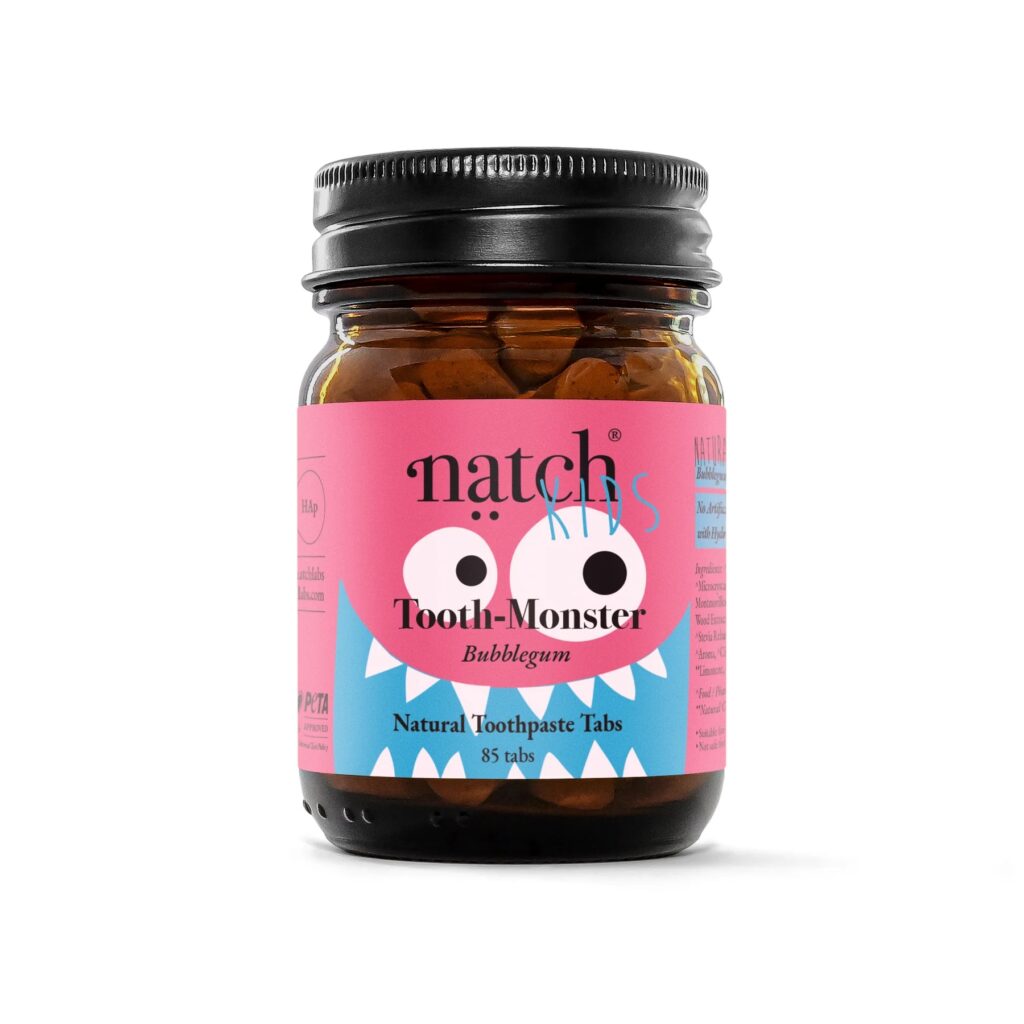
85 Bubblegum Flavoured Toothpaste Tabs, £14.99, Natch
Use from: 3 + years
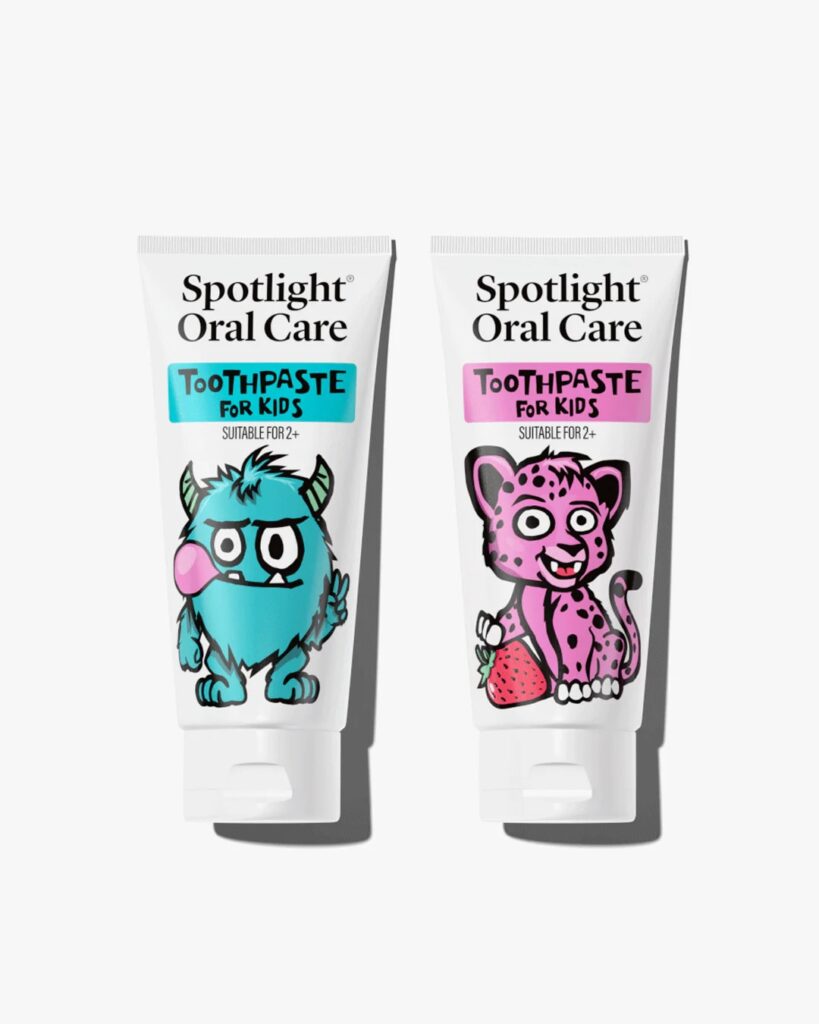
Kids Toothpaste Duo, £11.90, Spotlight Oral Care
Use from: 2 years
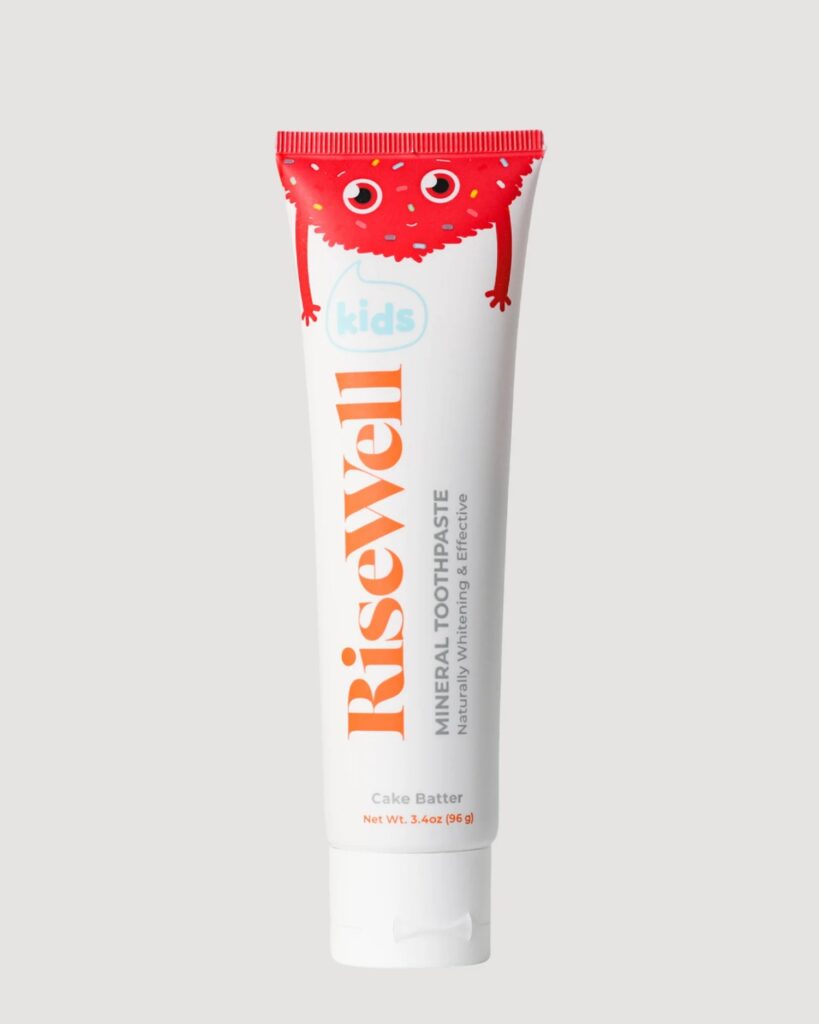
Cake Batter Flavour Mineral Toothpaste, £10, Risewell
Use from: first tooth
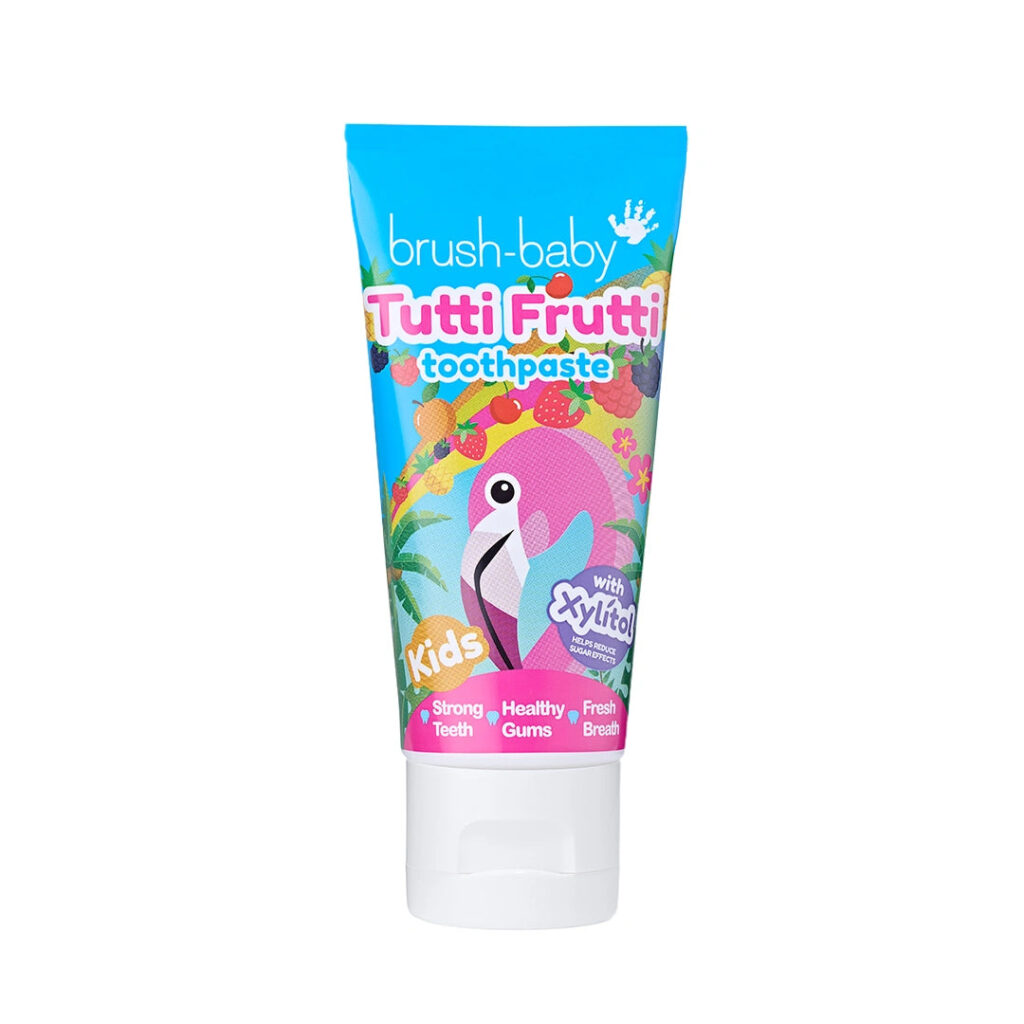
Tutti Frutti Flamingo Kids Toothpaste, £3.50, Brush-Baby
Use from: 3+ years
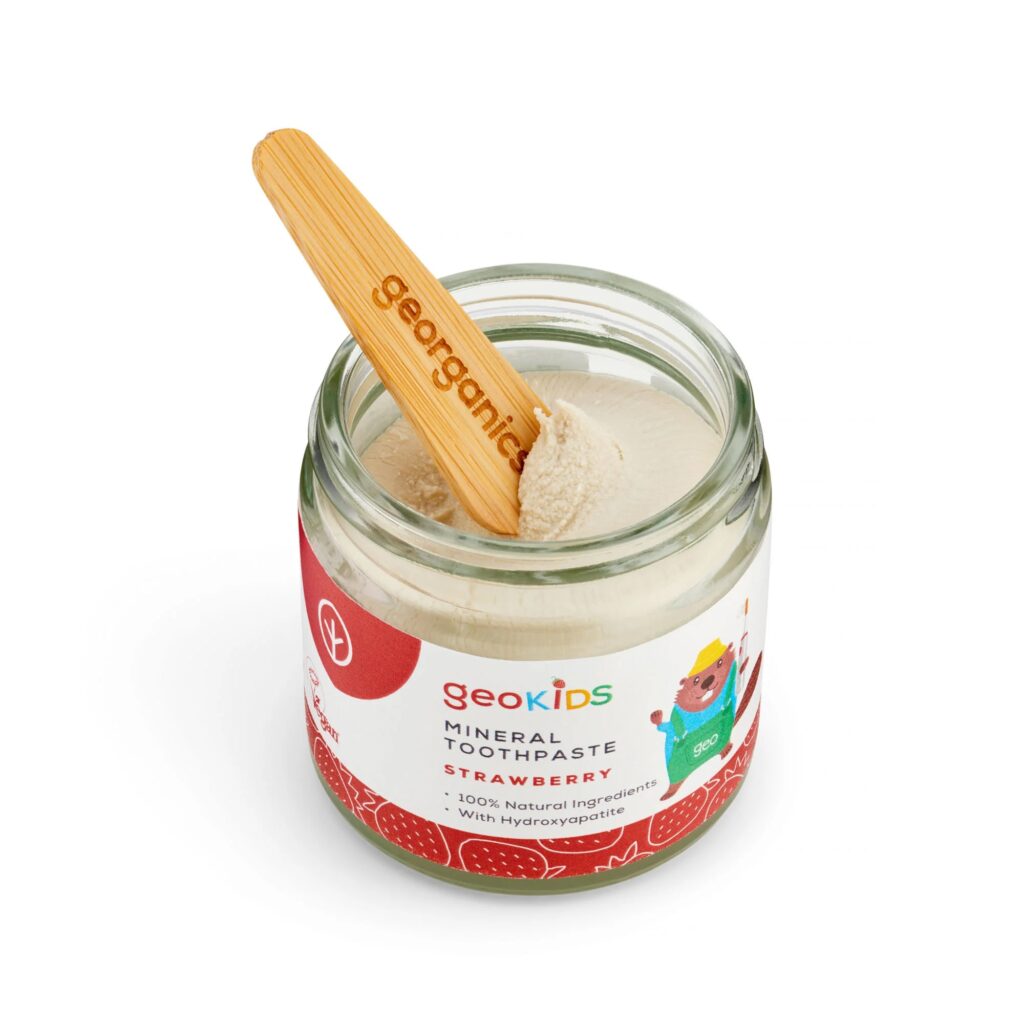
Strawberry Fluoride Free Toothpaste, £6.90, Georganics
Use from: 6mths+
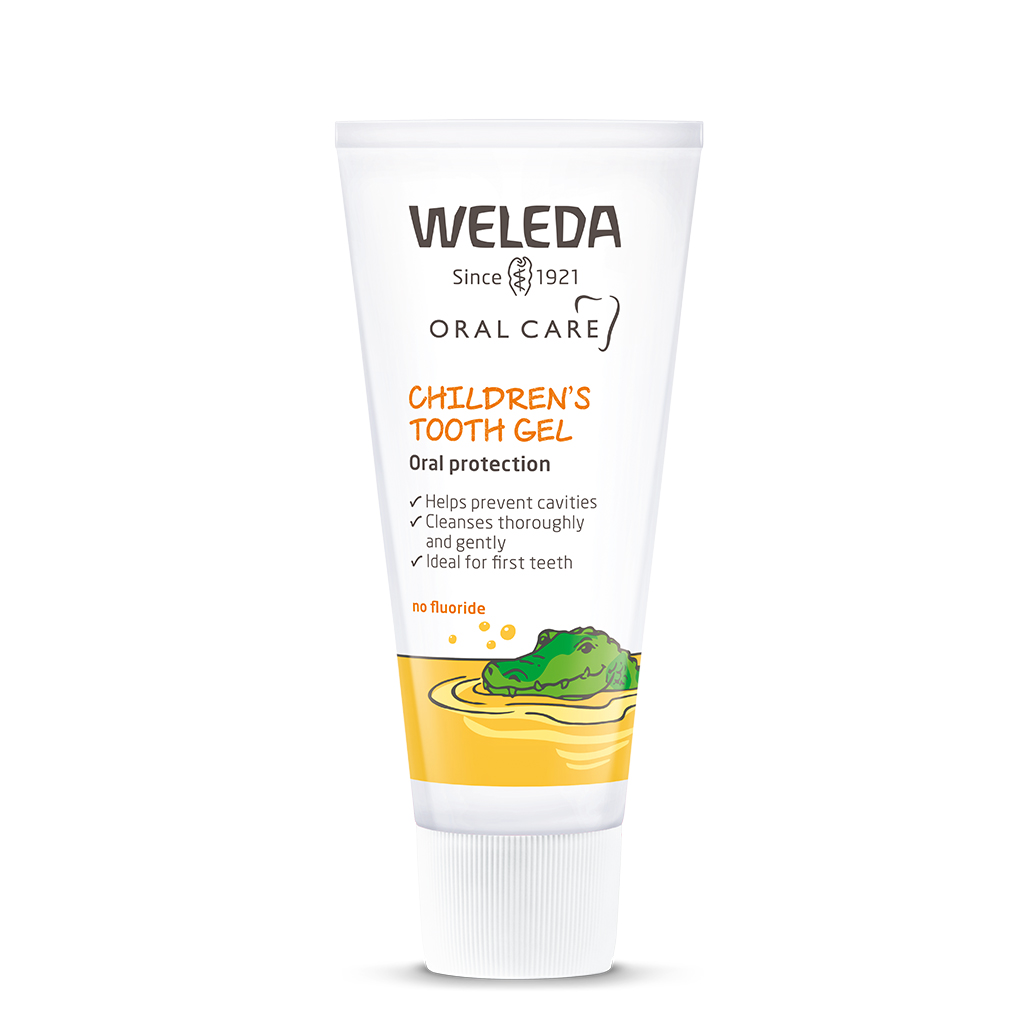
Children’s Tooth Gel, £4.50, Weleda
Use from: first tooth