As parents, creating a safe and healthy environment for our children is a top priority. According to Google Trends, searches for organic, toxin free and vegan products have grown by 110% over the past year. With rising concerns about the harmful effects of chemicals on our wellbeing and the planet, many families are looking for ways to live more sustainably and reduce the harsh ingredients found in many everyday products. From cleaning the kitchen to changing and bathing baby, toy choices and feeding bottles, here are our favourite ways to live a low-tox family life.
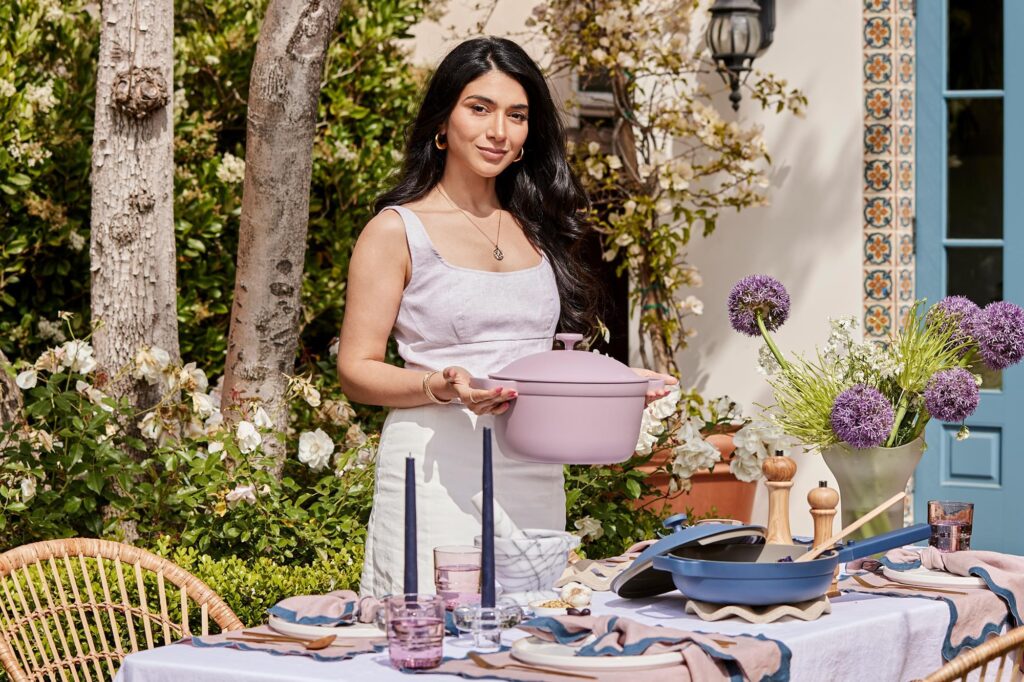
(Main Image: Shiza Shahid, co-founder of clean cookware brand Our Place)
10 Ways your Family can Live a Low-Tox Life
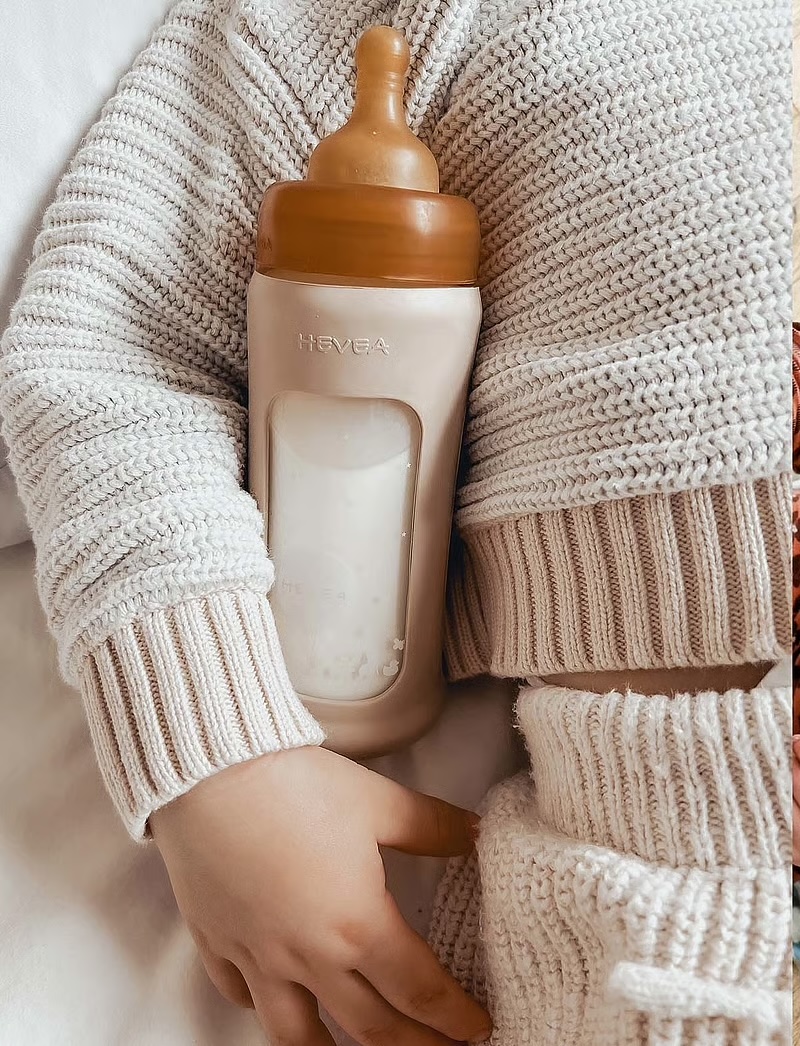
1. Glass instead of Plastic
There has been a resurgence in the popularity of glass feeding bottles for babies. Parents are choosing glass as a non-toxic BPA free alternative to plastic, enjoying the peace-of-mind that comes with using this super stable, chemically inert material that guarantees zero risk of any chemicals leaching into baby’s milk. Glass is also much easier to clean, with no scratches to harbour bacteria. There’s also the added benefit that glass is easy to recycle. We love BIBS, Hevea, Pippeta and Emulait glass bottles for babies and toddlers.
(Image: Hevea)
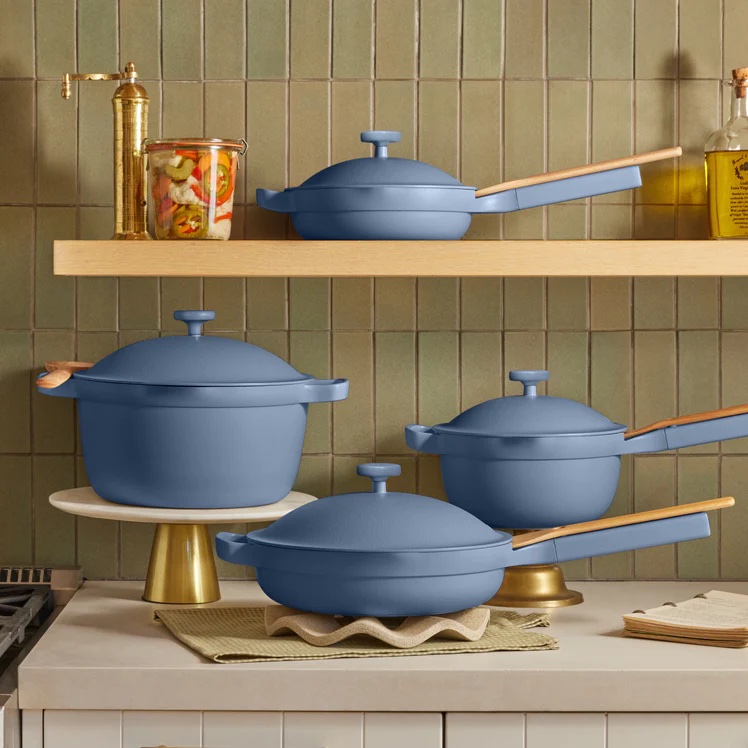
2. Clean cookware
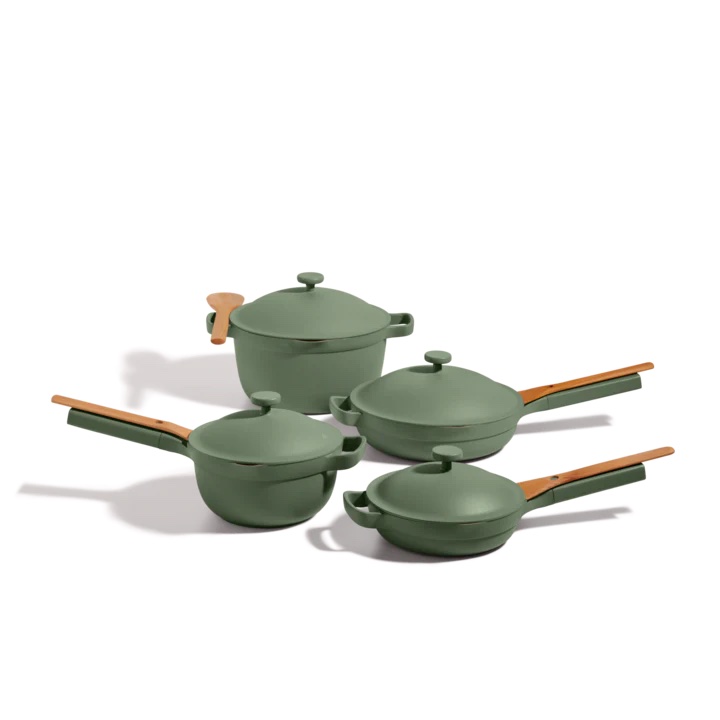
Cooking equipment has prolonged contact with our food and evidence suggests that the chemicals in the non-stick layers on a pan can leach into their contents. We caught up with mum-to-be and entrepreneur, Shiza Shahid, co-founder of clean cookware brand Our Place who told us that creating cooking equipment free from forever chemicals and plastics was a big priority when creating the brand.
“The more that I researched the category, I realised that most nonstick cookware uses forever chemicals. It’s in most air fryers and it’s found in so many places in the kitchen at home – even the rim of most blenders is coated in Teflon and you’ll find it in black plastic utensils. The more we dug into the industry, the more we realised how toxic it is. We use a non-toxic ceramic coating and we’ve launched a line that’s pure titanium.”
With so many people now monitoring the quality of the food they eat, it’s surprising how little thought we put into how we cook it, Shiza points out.
“You go to the farmers market to get a beautiful steak, you’re spending money on organic tomatoes and then you heat them up in a lot of plastic, which makes a difference to your own health. It’s also something that impacts communities and the places where these chemicals are produced – the soil and the waterways are deeply polluted in these areas – and the factory workers applying these chemicals are exposed to very high levels of toxins.”
Choosing Teflon free cookware and opting for glass and stainless steel cooking equipment is definitely a step in the right direction if you’re worried about chemical transfer and micro-plastics entering your food and a huge plus is that you’re helping to protect the environment too.
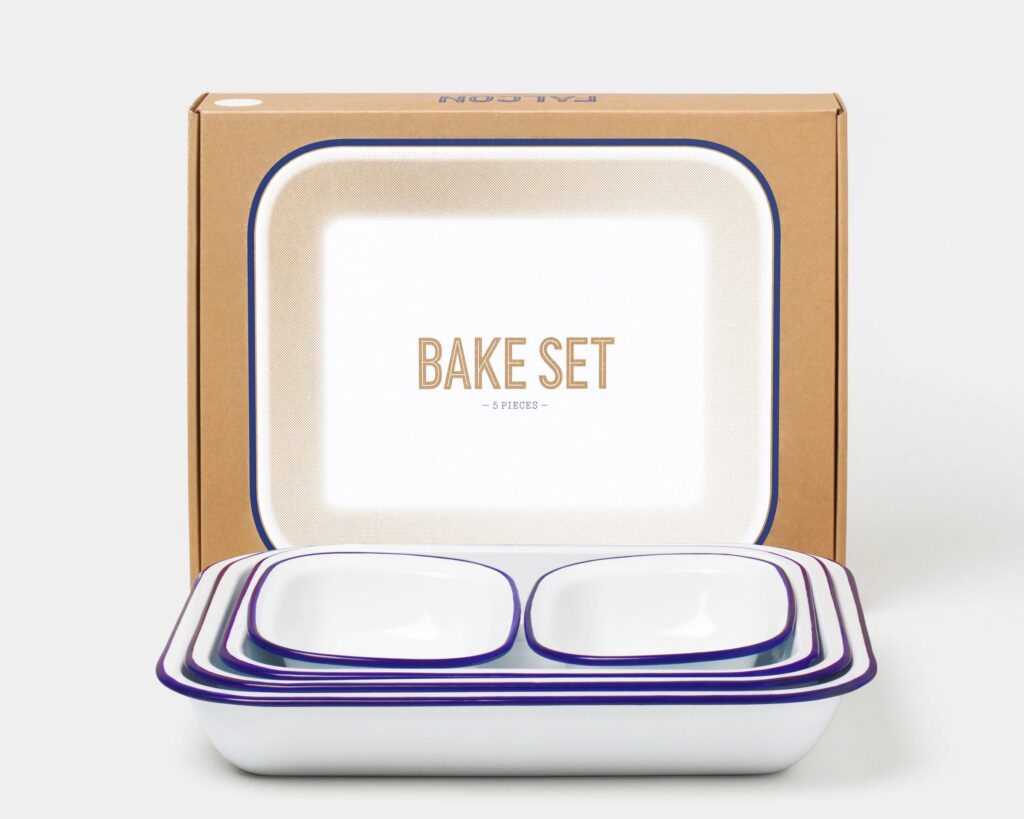
For sustainably made, ‘forever chemical’ free cookware we love Our Place, Le Creuset and Falcon Enamelware.
(Image: Our Place.)
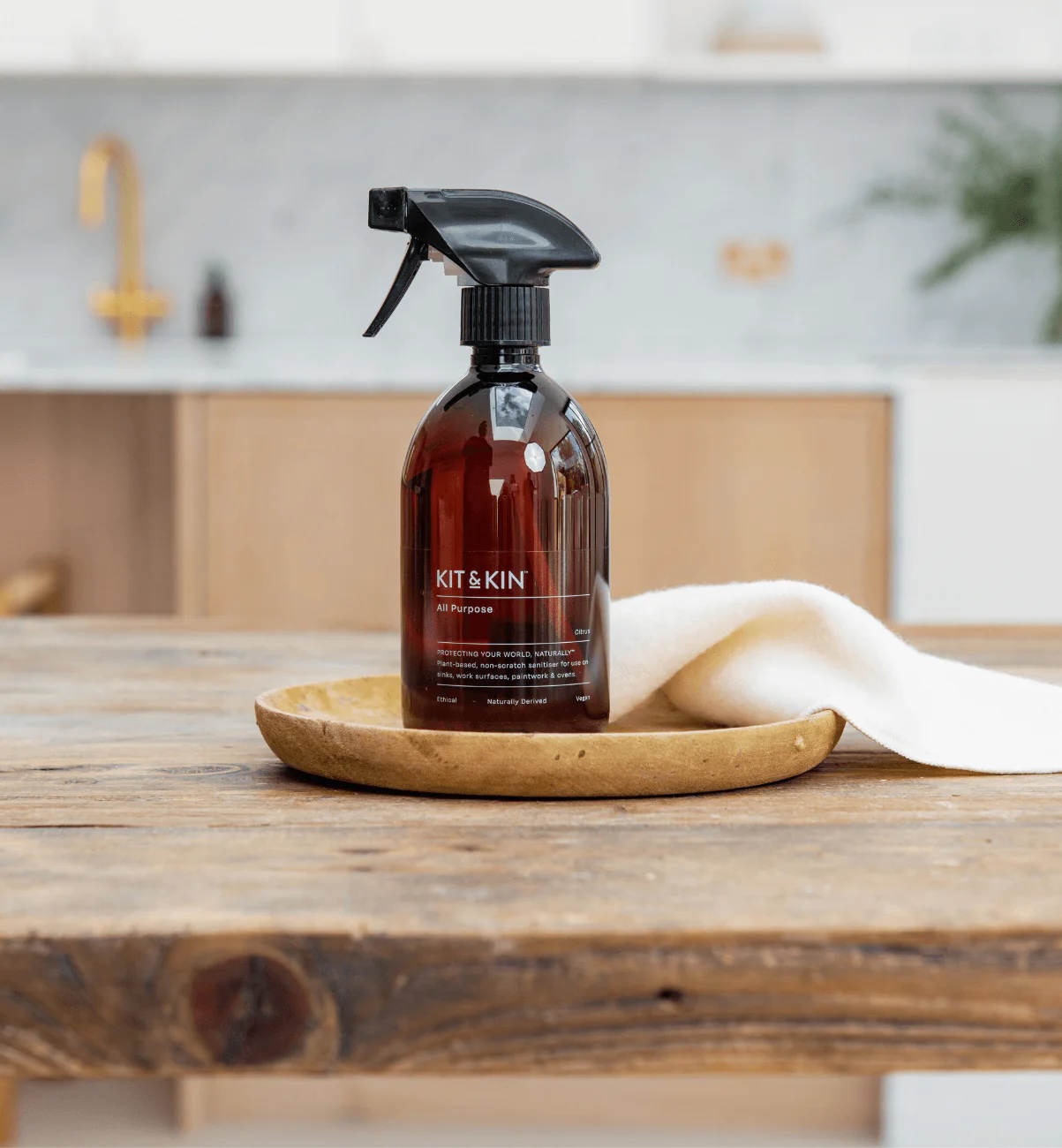
3. Non-Toxic Cleaning Products and Detergents
Replacing conventional cleaning supplies with non-toxic, plant-based alternatives is a quick way to reduce daily exposure to chemicals in your home and laundry. Look for cleaning products free from harmful chemicals like bleach and ammonia. Kit & Kin uses plant-based ingredients and is great for cleaning sinks, work surfaces or even paintwork. We’re also big fans of Tallow & Ash, Ecover and Kinfill for cleaning products that are more planet and human friendly.
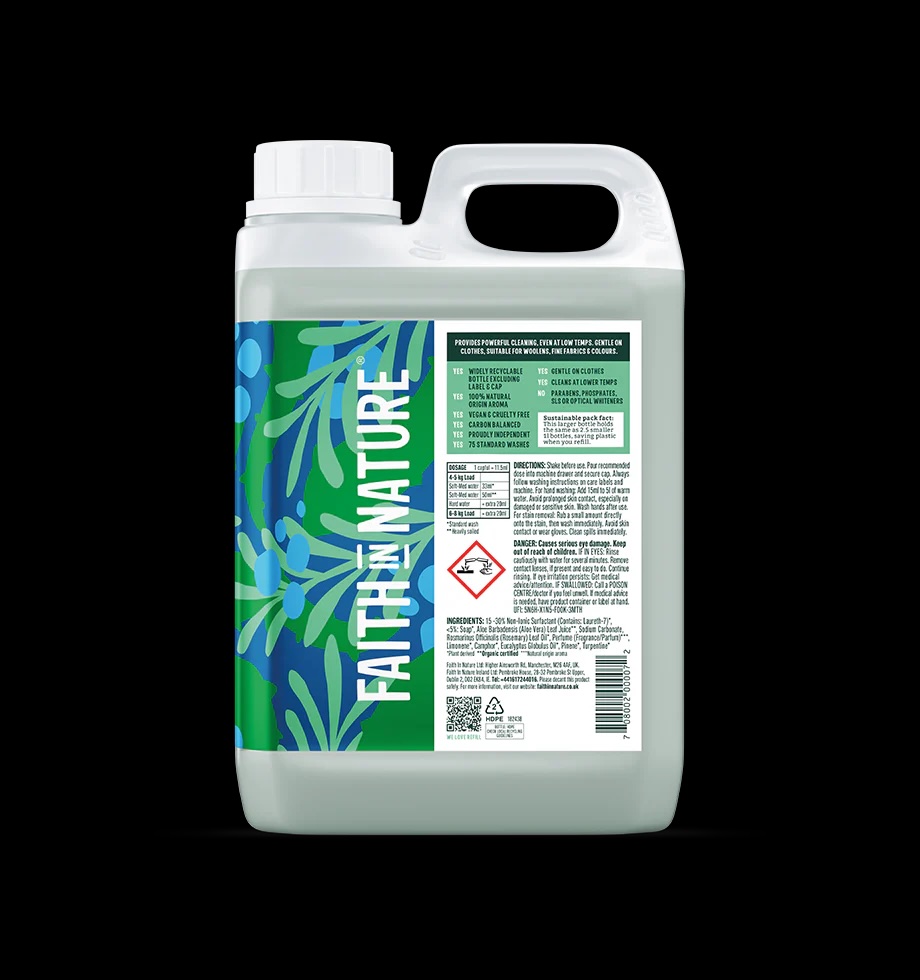
Traditional laundry detergents can irritate sensitive skin. Opt for eco-friendly laundry detergents made with naturally derived ingredients. Ecover, Kit & Kin, Tallow & Ash, Faith in Nature and Daylesford are all great options.
Also consider reducing the amount of single use plastic you throw away by buying refill pouches that can be transferred into a stylish long lasting bottle that is used time and time again.
(Image: Kit & Kin)

4. Organic and Natural Fibre Clothing
It makes sense that the fibres that hug your baby’s skin day and night should be as soft and neutral as possible. Lots of parents are moving away from clothes that are made with artificial dyes and synthetic fibres like polyester, which is ultimately derived from a non-biodegradable, petroleum-based plastic that sheds microplastics every time it’s washed.
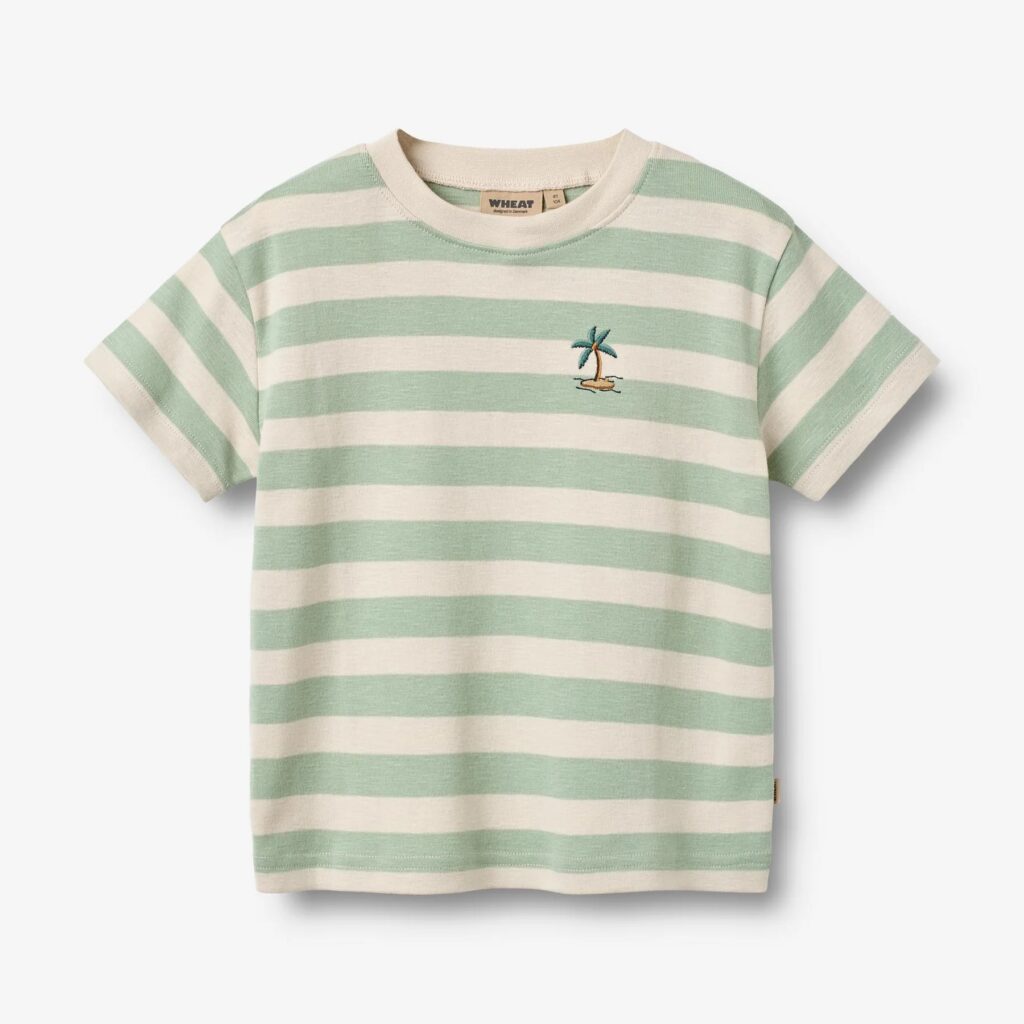
Natural, breathable fibres like wool and cotton are the ultimate choice for sensitive baby skin, with brands like Organic Zoo, Frugi, Little Green Radicals, The Bonnie Mob and Little Cotton Clothes leading the way with sustainably produced, organic kids’ clothes.
(Image: Organic Zoo)

5. Natural Skincare and Fragrance
Your baby’s skin is delicate, so opt for skincare products that avoid harsh chemicals. More and more research shows that synthetic fragrances can be overpowering for babies and can irritate their skin, so choose fragrance-free or naturally derived, fragrance free products for both them and you. We love Little B by Bramley, Kit & Kin, Weleda and Kokoso skincare for babies. For mums who crave a dash of subtle perfume, natural fragrances from Abel and Norfolk Natural Living are a lovely pick-me-up, while pregnancy and breastfeeding friendly skincare range SKN TO SKN is a great option for anyone looking for effective but gentle cleansers and moisturisers. Some great skin friendly deodorants free from aluminium are Green People, AKT London Deodorant Balm, Evolve Organic Beauty and Wild natural deodorant.
(Image: Abel)

6. Eco-Friendly Nappies
Nappies full of chemicals sitting close to the skin are not ideal for happy bottoms or a happy planet. Most disposable nappies use a sodium polyacrylate core to lock away moisture and while it is has incredible absorption powers, it is essentially a type of plastic, derived from acrylic acid, which is produced from propylene, a byproduct of oil refining or natural gas processing.
As well as being very hard to break down, these chemicals can sometimes cause rashes and skin reactions. Regular disposable nappies take up to 500 years to biodegrade, leaching chemicals into the earth as they do so.
If using disposable nappies is the line you draw for sanity, why not look into more eco-friendly, hypoallergenic versions that decompose more easily by brands like Pura, Kit & Kin, Peachies and Beaming Baby to name a few of our favourites. And if you really want to minimise your carbon footprint, washable nappies are becoming more and more baby and parent friendly, as well as costing significantly less in the long term. Bambino Mio is a great brand to look at if you’re thinking of using reusable cloth nappies.
(Image: Pura)

7. Eco Friendly Toys
Plastic toys can contain harmful chemicals like BPA and phthalates. Choose eco-friendly toys made from natural materials like wood, organic cotton, rubber or silicone. Lovevery, Le Toy Van, Green Toys and Oli & Carol offer a wide range of toys made with sustainable and recycled materials, making it easy for parents to make plastic free swaps for indoor, outdoor and bath time play.
(Image: Lovevery)

8. Non Toxic Paint
When decorating your home, choose non-toxic, low-VOC (Volatile Organic Compounds) paints to reduce exposure to harmful fumes. These paints improve indoor air quality and are safer for the whole household. Brands like Edward Bulmer and Little Knights offer 100% VOC-free, allergen-free and odour-free paint. Their products release no toxic emissions into the air, and are free from carcinogens, petrochemicals and hazardous fumes. A joint study between Karlstad University and the Harvard School of Public Health linked low-VOC paint to a higher concentration of PGEs in bedroom air, which in turn are linked to an increased risk of developing asthma, hay fever, and eczema in children.
(Image: Edward Bulmer)

9. Cooking from Scratch
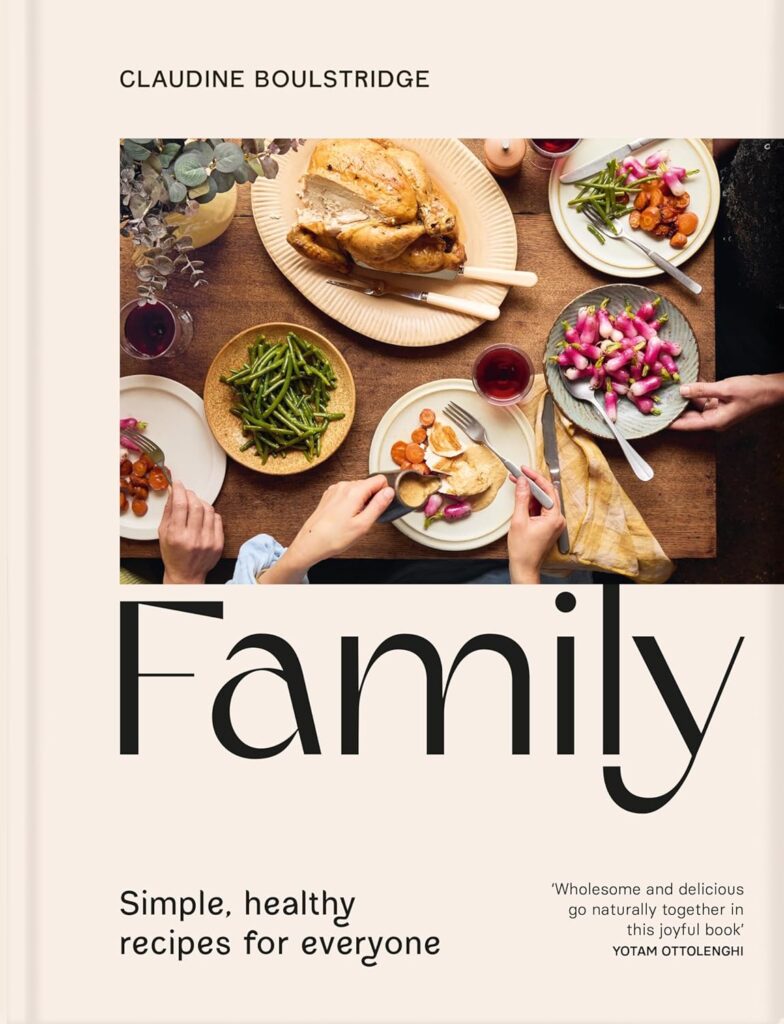
If you can cook meals from scratch, you’re automatically giving yourself a health advantage as you can control sugar and salt levels as well as cutting out unnecessary fats, additives and preservatives. If daily home cooked meals are not realistic for you, try to avoid ultra-processed foods and look for meals that don’t contain lots of additives. Eating a healthy balanced diet with a variety of fruit and vegetables is essential for good health and a robust immune system.
There is a lot of evidence to support the fact that organic food is better for the overall health of people and planet. According to the soil association, 41% of Britain’s wildlife species have declined since 1970, and more than 1 in 10 are currently facing extinction as a result of intensive farming practices, especially pesticide use. Choosing organic means less impact on the environment and dairy, meat and veggies containing less of the chemicals, pesticides, fertilisers, synthetic growth hormones and medicines used in modern farming techniques.
Lune & Wild deliver freshly made organic meals for babies and older children and brands like HiPP Organic, Piccolo and Organix are great for organic ready-made meals and purees, while organic veg delivery companies like Abel & Cole, Riverford and Farm Direct guarantee a good stock of fruit and veg in your rack. Even if you can’t stretch to organic – just broadening your family’s intake of fruit, veg and even herbs is great for overall gut health.

10. Filter your Water
Using a water filter can effectively eliminate harmful impurities like heavy metals, pesticides, chlorine, fluoride, and more. This ensures that your drinking water is not only safer but also purified to a higher standard, safeguarding the well-being of you and your loved ones. By ensuring that the water you use from the fridge for drinking or cooking is of the highest quality, a water filter contributes to better overall health.
Additionally, a water filter can significantly improve the taste and smell of your tap water. By removing contaminants that cause bad odours and a flat taste, filtered water is fresher, cleaner, and much more enjoyable to drink. Whether you’re hydrating, cooking, or making beverages, you and your family can enjoy water that tastes great every time. We love the stainless steel British Berkfeld filter for big families and this glass version from Aarke.