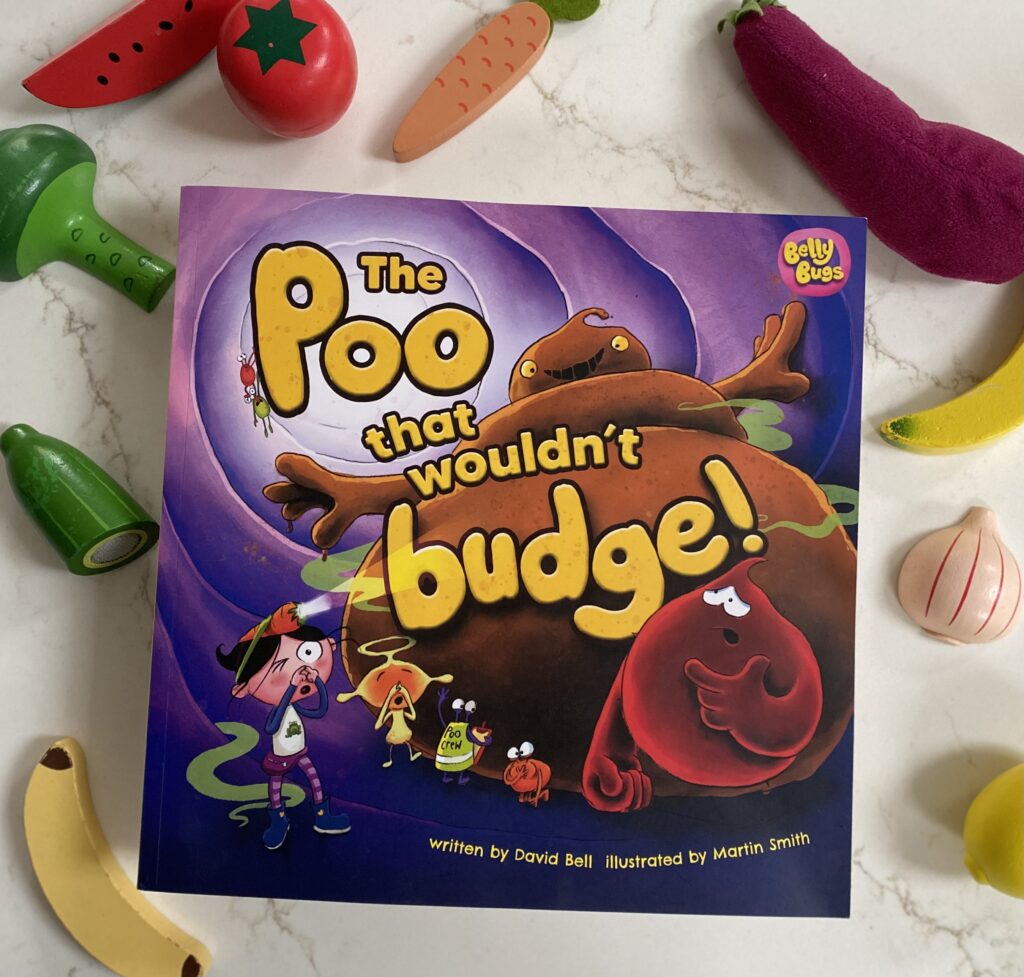
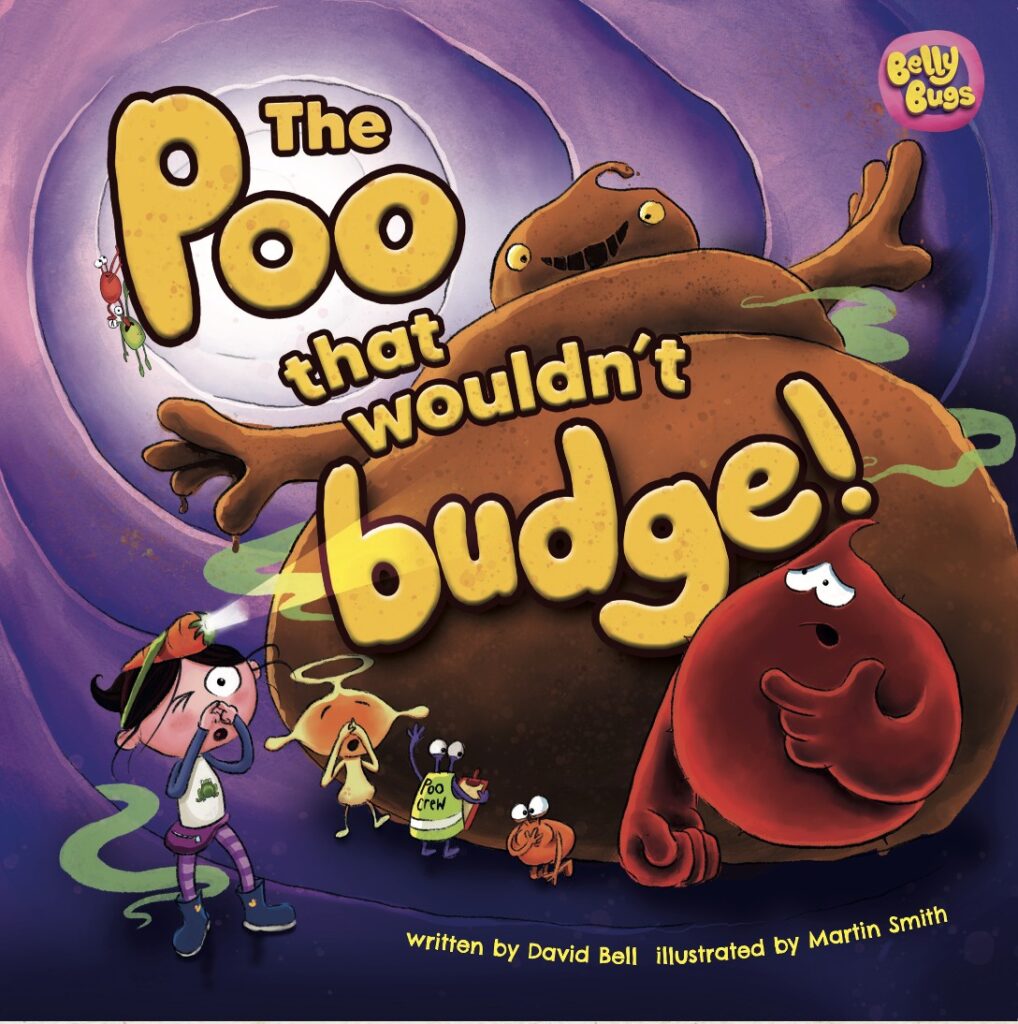
Belly Bugs is a mission-led social change company founded by former advertising exec David Bell. The company helps families understand the magic of the gut microbiome through food, fun and science and is backed by ZOE founder Professor Tim Spector. This month sees the launch of David’s new picture book The Poo That Wouldn’t Budge which is sure to delight young readers while also encouraging an early interest and understanding of how the food we eat keeps us happy and healthy.
1. What inspired you to set up Belly Bugs?
My lightbulb moment came at a kids’ football tournament. I’d become interested in gut-health very early and was fascinated by the role gut microbes play in our well-being. There I was with all this new knowledge in my head – the benefits of which I could personally feel both physically and mentally – and was shocked to discover that there was no healthy food in the marquees. All that was on offer for the hundreds of kids playing football that day were crisps, sweets and brightly coloured energy drinks.
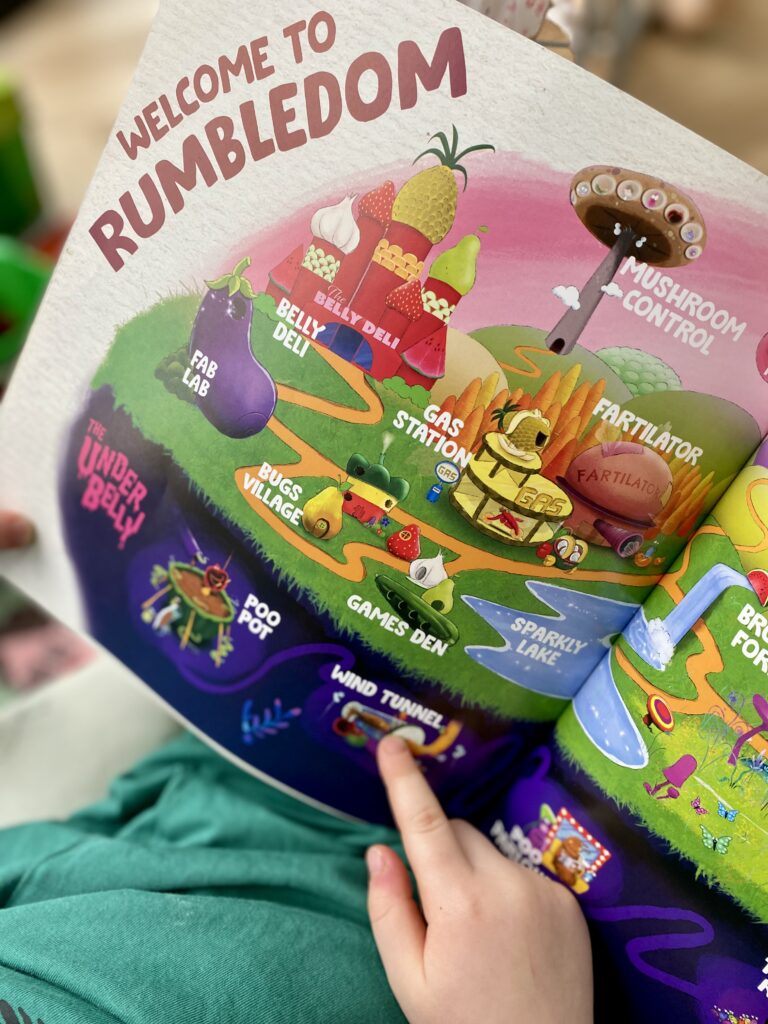
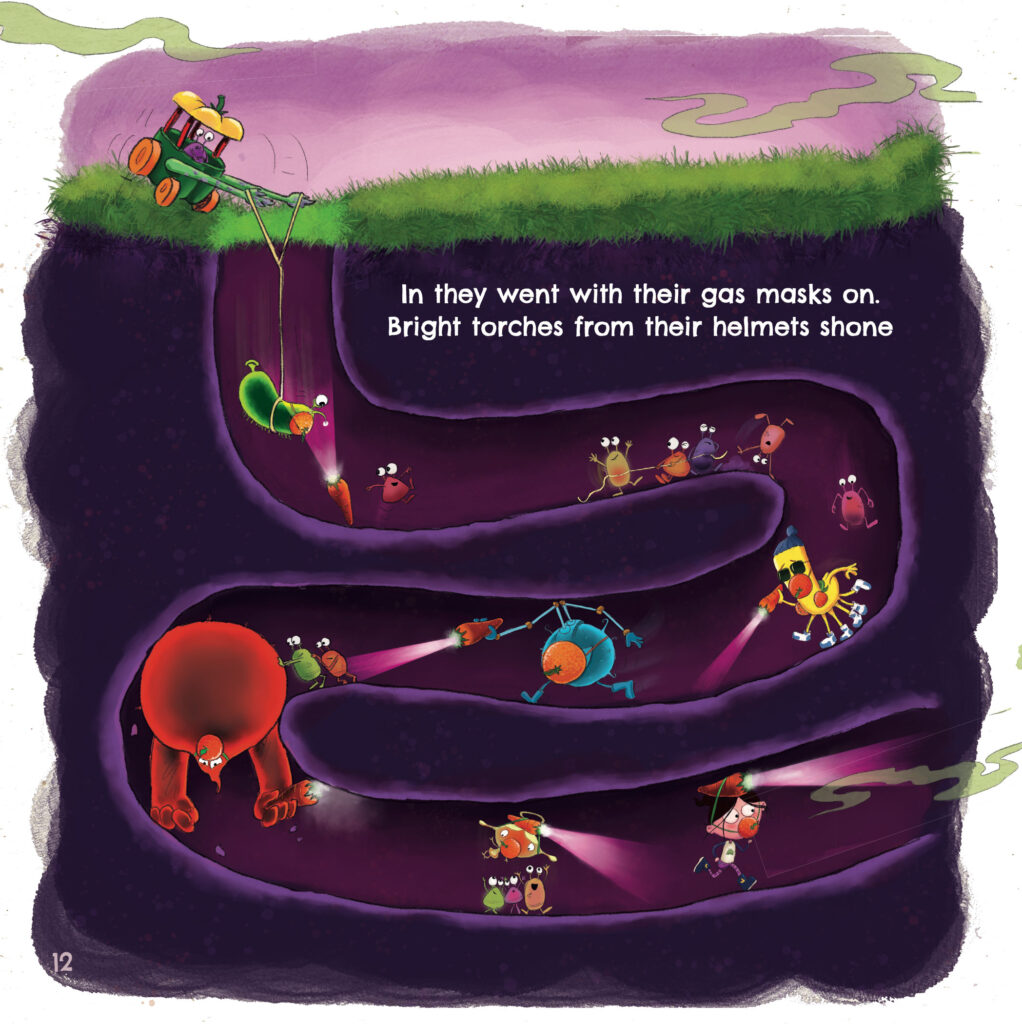
What kind of start in life was this? So, I decided to gamify gut microbes and turn them into Belly Bugs. Martin Smith, the illustrator, and I created a magical world inside us all called Rumbledom where the Belly Bugs live and go on awesome adventures. Everything in Rumbledom is made from fruit and vegetables. There’s a Belly Deli, Mushroom Control, a Fartilator and lots more. Beneath Rumbledom lies the deep, dark Underbelly where Bashy Bug makes Perfect Poo. Martin’s young kids sketched out how the Poohometer should look. I’ll never forget their cheeky grins.
2. The concept behind Belly Bugs has been described as Pixar’s Inside Out but for your Belly – what does that mean?
While Inside Out concentrates on the emotions inside a young girl’s head, the Belly Bugs in our story are alive inside the child for real and depend for their survival on what the child feeds them. In return, the Belly Bugs do vital jobs to keep us all healthy and happy. The child quickly realises it’s their responsibility to feed their Belly Bugs like you would a pet. The child is now in control. Instead of being told to eat their fruit and vegetables, children actively ask for them. ‘My Happy Bug needs a banana.’ This role reversal is the gamechanger.
By way of proof, on the first day of a 1000-pupil Belly Bugs primary school pilot in Sunderland, the cook remarked, ‘They all came in and ordered salad straightaway.’ She used to make 80 portions of salad a day and have 40 left over. Now it was only 5 or 10. And the children sustained feeding their Belly Bugs for the whole 8 weeks of the pilot.
3. Why should we be paying more attention to children’s gut health?
An adult-like gut microbiome is largely set by the age of 5. Children brought up feeding their Belly Bugs should not only have a healthier weight, but also have better immunity, mental health, concentration and sleep. And when a child marches into the kitchen demanding sweetcorn because their Bashy Bug needs a Sweetcorn Blaster, the whole family benefits.
5. Your latest picture book The Poo That Wouldn’t Budge is all about childhood constipation – why have you chosen to address this topic?
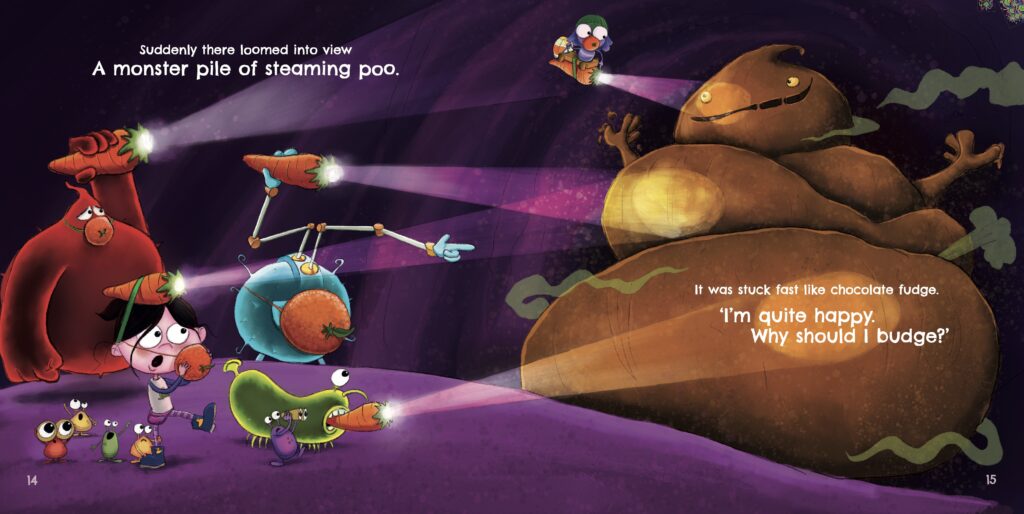
1 in 3 children suffer from constipation. The rise in constipation mirrors the rise in ultra-processed foods in our diets. I wanted to make poo something families could laugh and talk about. Ours is now obsessed with poo jokes! And who wouldn’t want to go on an adventure into the depths of the Underbelly to tackle a Monster Poo?
4. You’ve written two Belly Bugs picture books – what do you hope parents and carers, and the children reading them, take from the books?
The most important biology lesson a child can learn is that they co-exist with a gang of tiny helpers who inhabit them for the whole of their lives. These two books start that captivating journey of discovery.
In schools, children learn they have a heart, lungs and brain. But that is passive science. The science of Belly Bugs couldn’t be more active and symbiotic. Belly Bugs need to be fed every day and in return, they look after us 24/7. This is critical knowledge, yet our current education system doesn’t teach it.
6. Are there any small changes parents can implement that can make a big difference to gut health?
Start with storytelling. We had great fun as a family choosing fruit and vegetables and working out what Geeky Bug might make from them. My younger son still proudly claims the Bellycopter and Pearship as his inventions.
It’s a great idea to use something visual to motivate task completion and build good habits. Our free app, Feed Your Belly Bugs (government-funded), includes a Food Diary and Progress Tracker that’s a lot of fun for the whole family to use. It also switches off automatically at 7pm to make sure children and Belly Bugs alike get a good night’s sleep.
7. What did you enjoy most about the writing process?
Both books are written in rhyme. I loved starting with a scarily blank piece of paper and spending days and days writing and fine-tuning the poems.
9. What is your favourite fruit or vegetable?
Mushed-up raspberries. With my Belly Bugs hat on, carrots are awesome. They help both children and Belly Bugs see in the dark. Feed Geeky Bug some pineapple and bananas and she’ll build you your own personal Bellycopter.
8. What is your favourite childhood book or the book you loved reading to your son?
My older son loved me reading him both ‘The Little Grey Men’ and ‘Down the Bright Stream’ by ‘BB’. They are two children’s fantasy novels written in the 1940s about the last four gnomes alive in England. Leafing through today, the standard and beauty of the prose belongs to a different era.
10. What’s next for Belly Bugs?
A cookbook where each Belly Bug picks their favourite recipes and describes the resulting adventure in Rumbledom. Children who are engaged by the story behind the meal are much more likely to eat the food. We have huge plans for Belly Bugs beyond books including films, toys and games. My ambition is for every child to learn about their Belly Bugs at school.