“Play is the work of the child.” So said iconic educator Maria Montessori, whose legacy has seen generations of children benefit from her natural approach to learning. It’s true that little ones learn through play long into childhood, with some arguing this continues into adolescence and even adulthood!
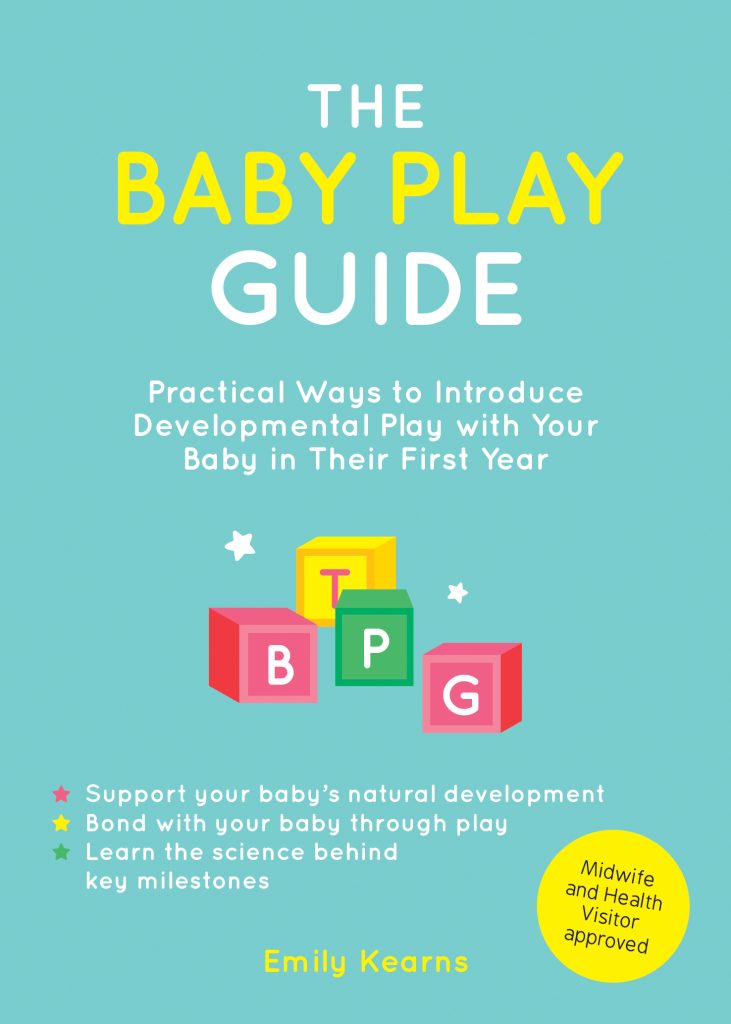
During your baby’s first year, they will grow and develop in ways you might never have thought possible. In fact, these tiny people will go through a major developmental change every month in that first year, hitting numerous milestones along the way. By filling their lives with beneficial games and activities, you can help them learn about the world they live in – and have fun with them along the way. Here Emily Kearns, author of new book The Baby Play Guide (Published by Vie Books) shares some games and activities to play with your baby in their first year.
NOTE: As you play together, do bear in mind that babies develop at their own pace, so one baby will likely progress at a different rate to another. Try not to worry about this, but if you’re at all concerned, talk to a healthcare professional.
1–4 Weeks
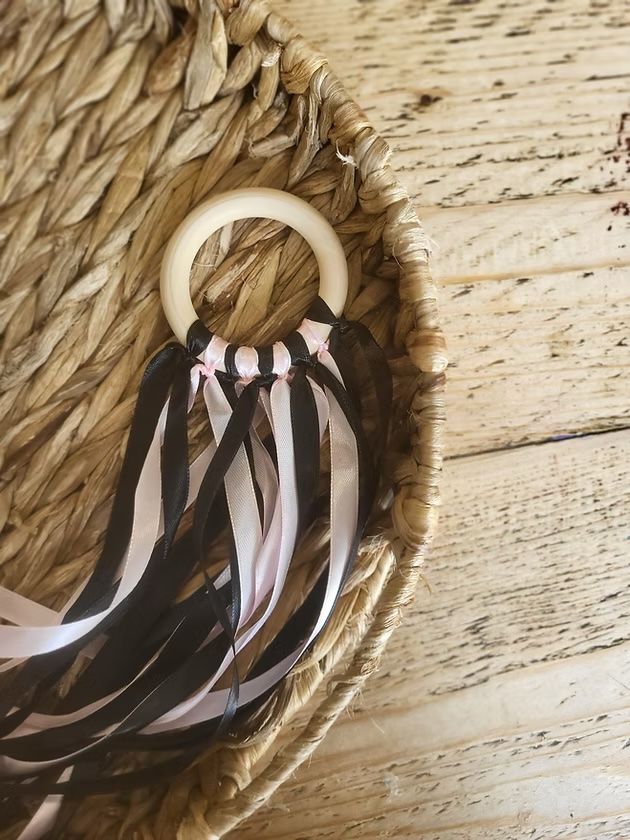
Sensory: Ribbon play
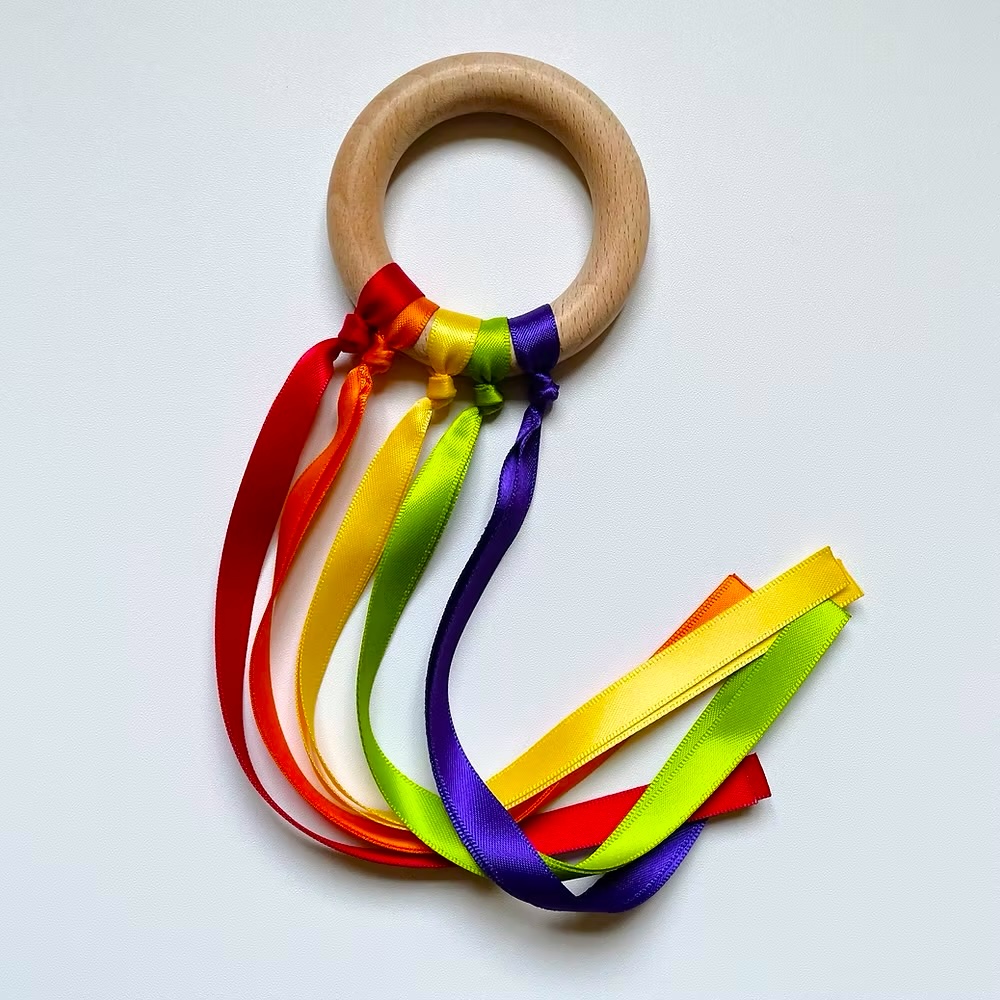
Small babies can only see black, white and shades of grey until they are around three or four months old, at which point they start to notice colours. They are greatly interested in movement, though, as their eyes are learning to focus and adjust to the world around them. In this sensory activity, try playing with several different lengths of black and white ribbons, and see how baby responds to them.
Take a wooden teething ring or a similar item – a bracelet or clothes hanger would also work – and tie the lengths of ribbon around it. Dangle the ribbons over your child and watch as they delight in the contrasting shades.
When baby is new, allow the ribbons to stroke their arms and legs; as they grow, watch how they begin to reach out to try to grasp them as their motor skills develop.
1-3 Months
Cognitive/Social (emotional and behavioural): Reading aloud
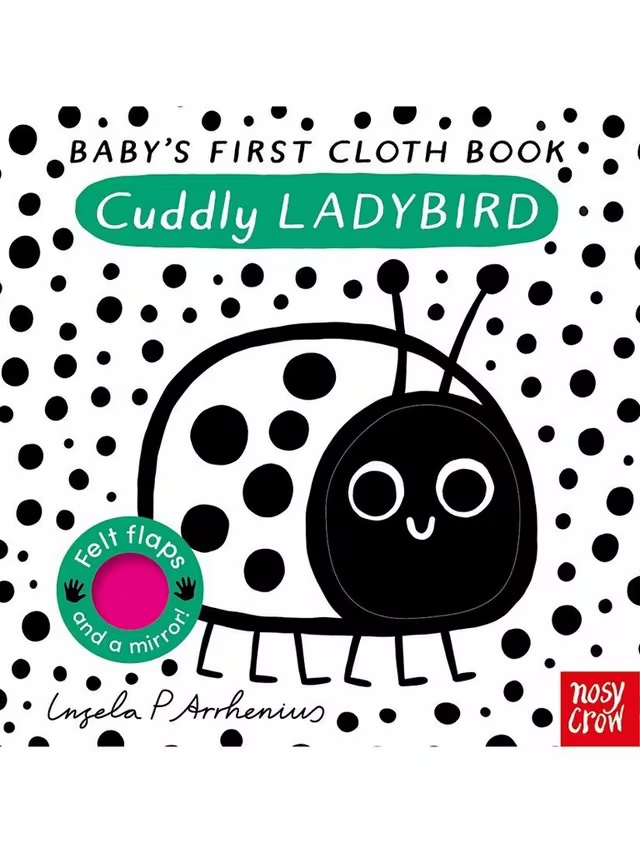
It’s never too early to read to your baby, but at this stage they will really start to benefit from your efforts. To begin with, it doesn’t much matter what you read as your baby will enjoy listening to your voice, but as they grow older, they will start to appreciate the colours, patterns and textures in children’s books. If they grab at and attempt to chew books, opt for some cloth ones to satisfy their urges.
Be expressive when you read, and convey as many different sounds and emotions as you can to support your baby’s social and emotional development. Use different voices for different characters and take your voice higher and lower where appropriate. This will help to engage your baby and encourage them to learn that reading is fun. You want them to enjoy and look forward to this experience as it’s so nourishing for their overall development.
Hearing words will help to build your baby’s vocabulary and ultimately aid them in communicating with you and those around them.
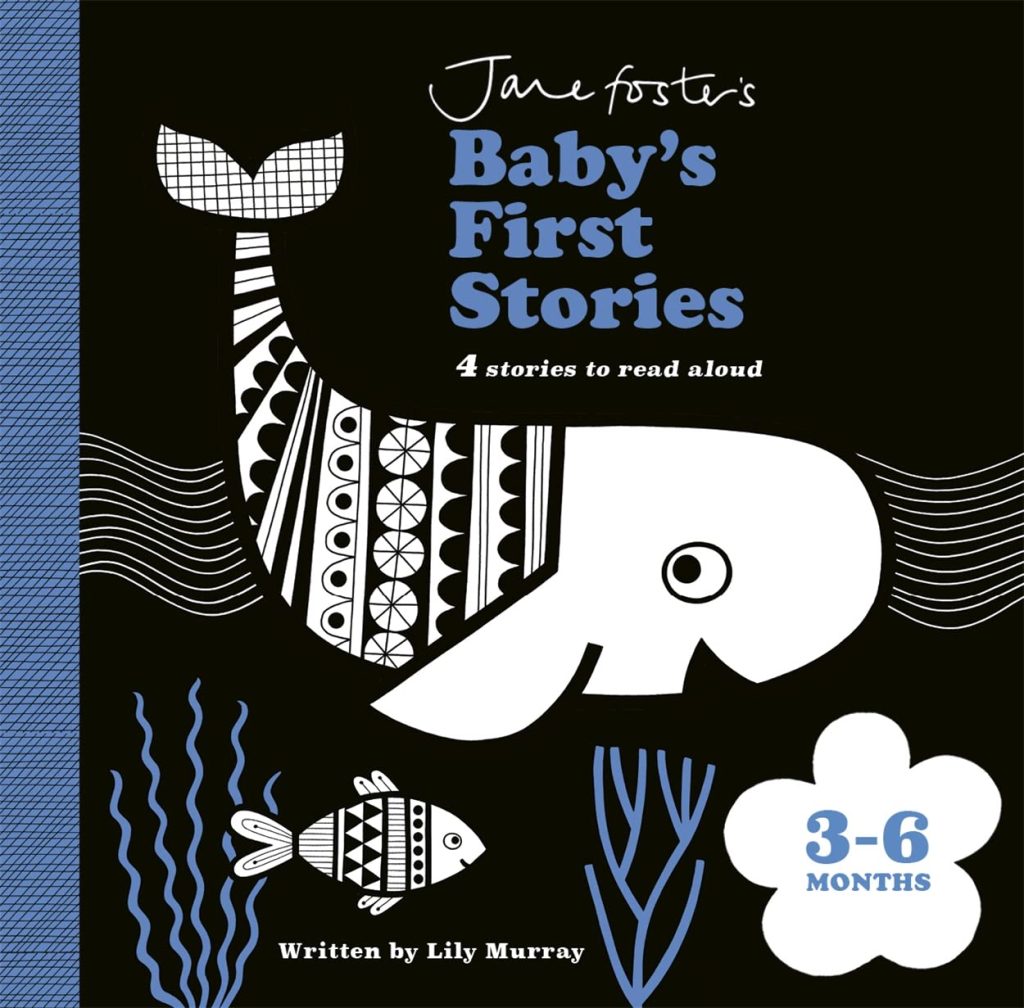
Starting baby’s reading journey early can be a great way to help with the development of their language skills. By the time your baby is one year old, they will have learned all the sounds they need to form their native language. So, the more you read to them, the more words they will be exposed to, which will only improve their repertoire when it comes to talking.
3-6 Months
Motor skills/Social (emotional and behavioural): Elevator game
Kneel on the floor and hold your baby under their arms, so their feet are on the floor and they are in a “standing” position. Look baby in the eye and build some anticipation – you could even say “Ready, steady, go!”. Then slowly lift them straight into the air, as if they were in an elevator. When your arms are at full stretch, say “Ding!” to let baby know they’ve reached their floor. When it comes to descending, do the same again, being sure to make a resounding “Ding!” when their feet are back on the floor. This game will help your baby to build core strength, which is vital for rolling and sitting, not to mention crawling and walking. Baby will also love the face-to-face social interaction with you.
6-9 Months
Motor skills: Sitting-up games
From around six months, your baby will be able to maintain a sitting position with a little help and by nine months, they should be sitting comfortably for longer stretches without support. You can help them on their journey to reach this important milestone by incorporating sitting-up games into their day.
While baby still needs some support or can’t yet sit for very long unaided, place them on the floor in a seated position and either prop them up using cushions or ensure they are surrounded by something padded in case they teeter over.
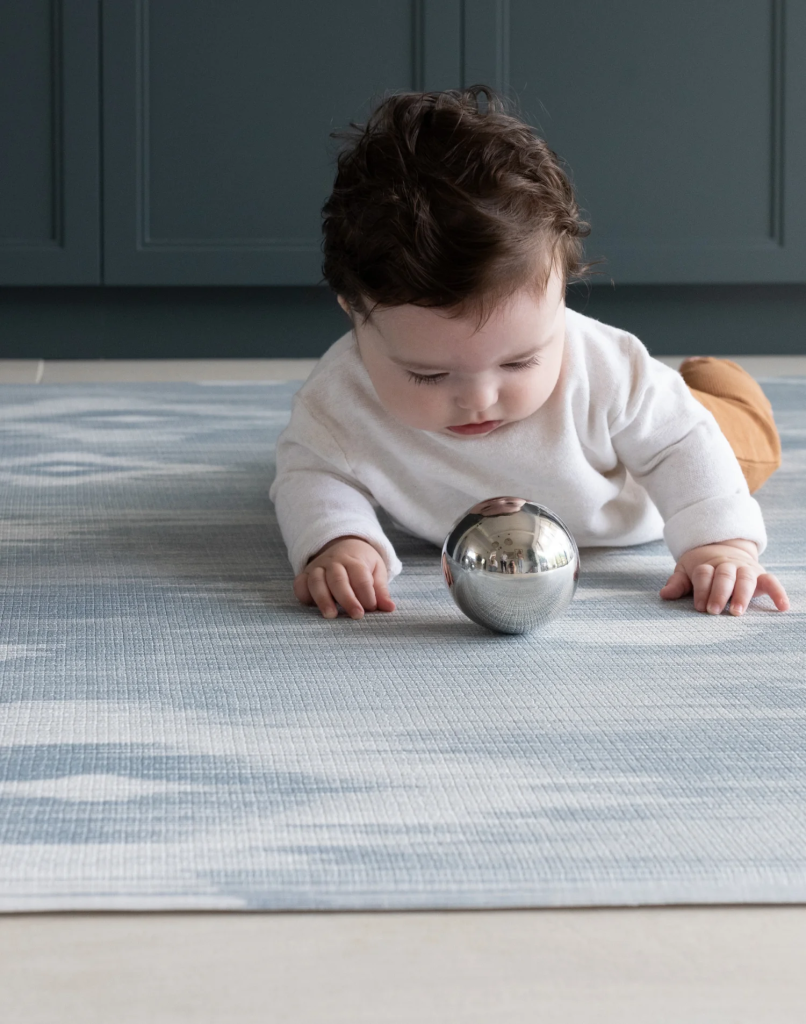
Roll a ball to your baby and encourage them to roll it back with two hands. This will help to strengthen their back, shoulder and core muscles. Another activity to help strengthen these muscles, while also entertaining baby, is to sit them on your lap or between your legs on the floor, hold their hands in yours and sing “Row, Row, Row Your Boat” while you “row” with their arms, forward and backward.
Motor skills/Sensory – Get outdoors
Outdoor play with your baby offers numerous benefits as they enjoy and learn from a range of sensory elements, such as the feel of the grass, birdsong and the hum of distant sounds. It also gives them the chance to breathe in fresh air and soak up some vitamin D. Babies’ delicate skin burns easily, so you’re advised to keep them out of direct strong sunlight, but natural sunlight in the shade on a sunny day will still offer the same benefits, so opt for a shady spot when heading outside with baby. A fold-up picnic blanket stashed under your buggy and a handful of toys will mean you’re ready for some outdoor play whenever the weather allows.
NOTE: The World Health Organization advises limiting sun exposure between 10am and 4pm when the sun is at its strongest. Be sure to keep baby protected and cool with sun cream, a hat and cotton clothing, and always seek shade.
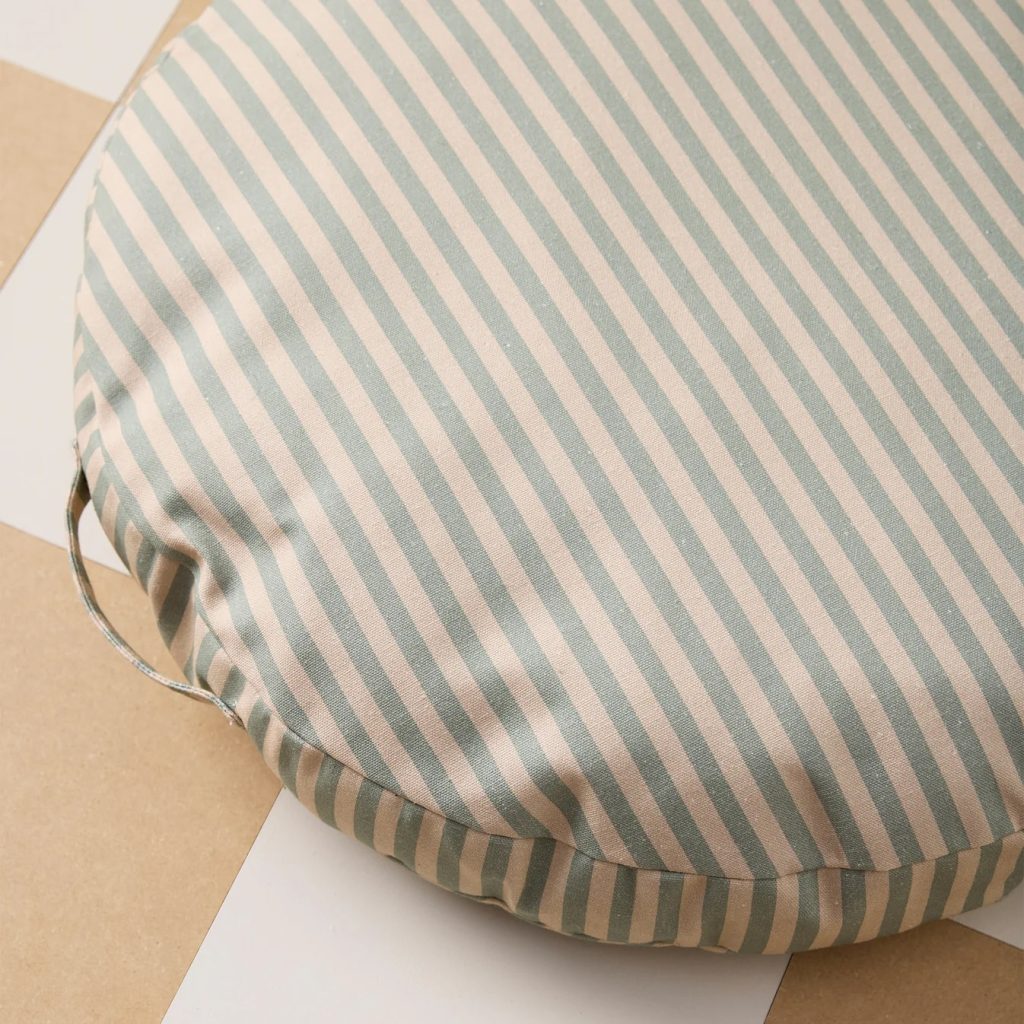
“We don’t stop playing because we grow old; we grow old because we stop playing.”
9–12 Months
Motor skills: Cushion pile
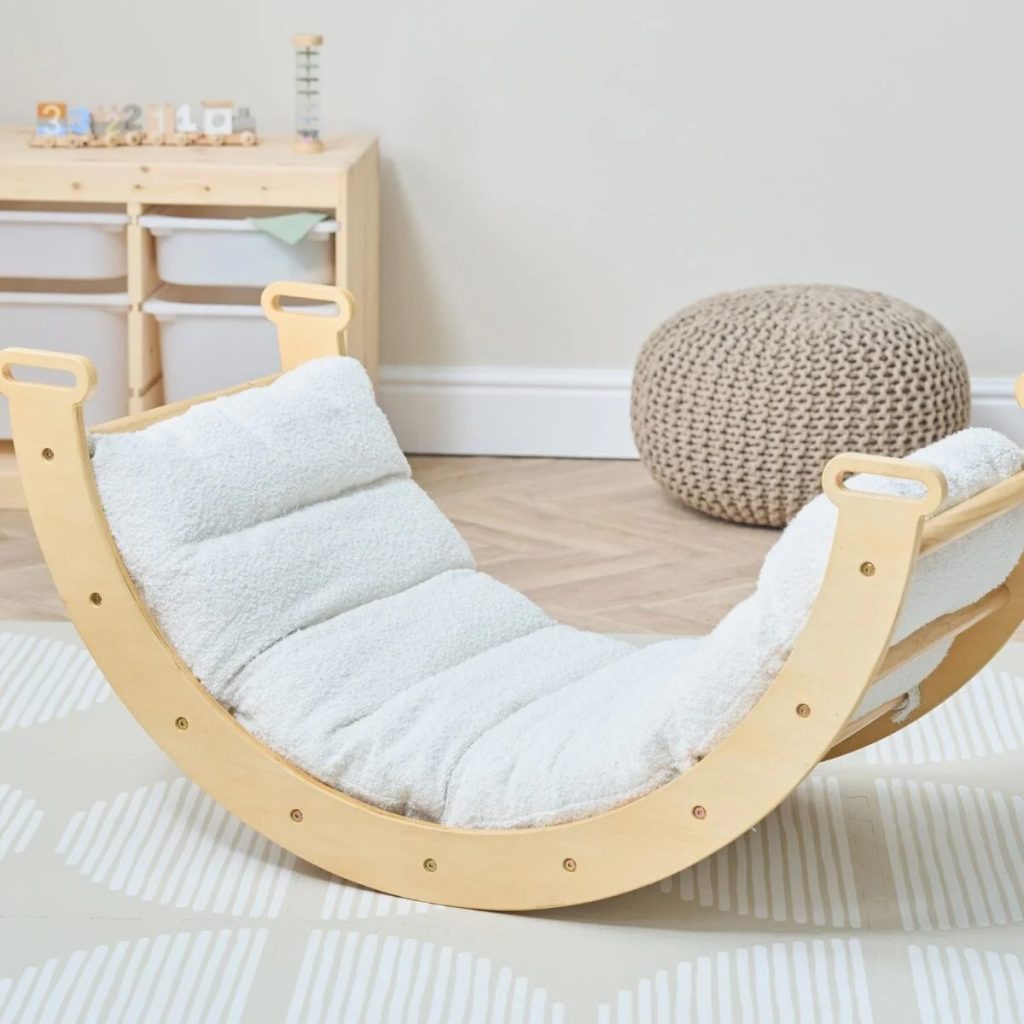
If your baby is crawling by now, you can help them work on their climbing by creating an obstacle out of a pile of cushions. “Pile of cushions” sums it up – there’s nothing fancy about this activity! However, it will provide them with a challenge they will love. Keep the pile low, for obvious reasons, and make sure the surrounding area is well padded, in the – fairly likely – event of a tumble from cushion mountain.
This climbing practice will help your baby work on their upper-body strength, gross motor skills and bilateral co-ordination, which is the ability to use both sides of the body at the same time with a sense of control. Next stop, Everest!
George Bernard Shaw famously said, “We don’t stop playing because we grow old; we grow old because we stop playing.” Hold that thought when you spend time with your baby and try to incorporate play into every day – for both your sakes