When Is the Right Time to Move to a Big Bed?
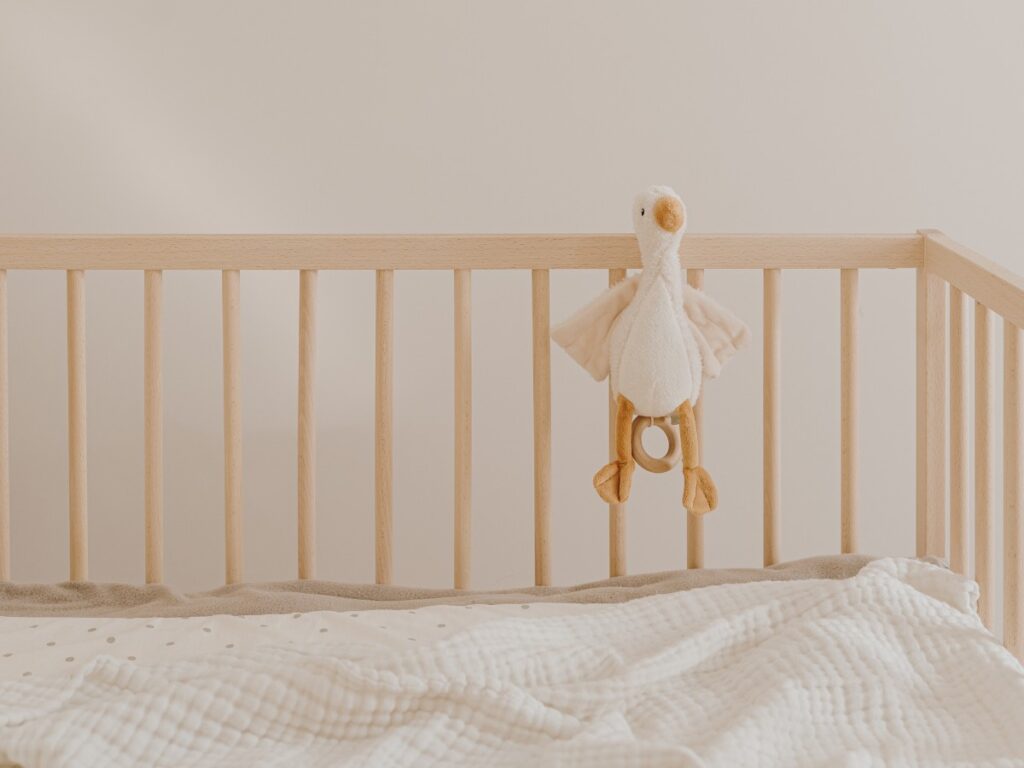
There’s no set age. Most children make the move somewhere between 18 months and three years, but readiness matters more than birthdays. Common signs include climbing out of the cot, looking cramped at night, or asking for a “big bed” like an older sibling.
If a new baby is on the way, make the change a couple of months before the due date, or wait until things have settled, so your toddler doesn’t feel pushed out.
Get Them Involved Early
Children cope far better with change when they feel part of it. Talk about the new bed beforehand and let them choose their own bedding. A child who picked their dinosaur duvet is much more likely to want to sleep under it.
Keep the Room Familiar and Safe
Resist the urge to redecorate at the same time. Put the new bed where the cot was and keep the same night light, blackout blind and comforter. Familiar surroundings help your child feel secure.
A low bed with a guard rail helps prevent night-time tumbles, and it’s worth fixing wardrobes and chests of drawers to the wall now your child can get up and about on their own.
Create a Calm, Clutter-Free Space
A room full of toys is a room full of reasons not to sleep. If the floor looks like a soft play centre at bedtime, don’t be surprised when your child treats it like one.
Good storage helps, particularly in smaller rooms. Once the cot has gone, there’s usually a pile of baby bedding and outgrown clothes to find a home for too. Ottoman bed frames lift up to reveal a deep storage space underneath, making them a practical choice for an older child’s room or your own. A tidy room is simply easier to wind down in.
Build a Bedtime Routine and Stick to It
A predictable routine is the most useful tool you have. Doing the same things in the same order each night tells children that sleep is on its way.
A Simple Routine to Try
- Bath or a warm wash
- Pyjamas on and teeth brushed
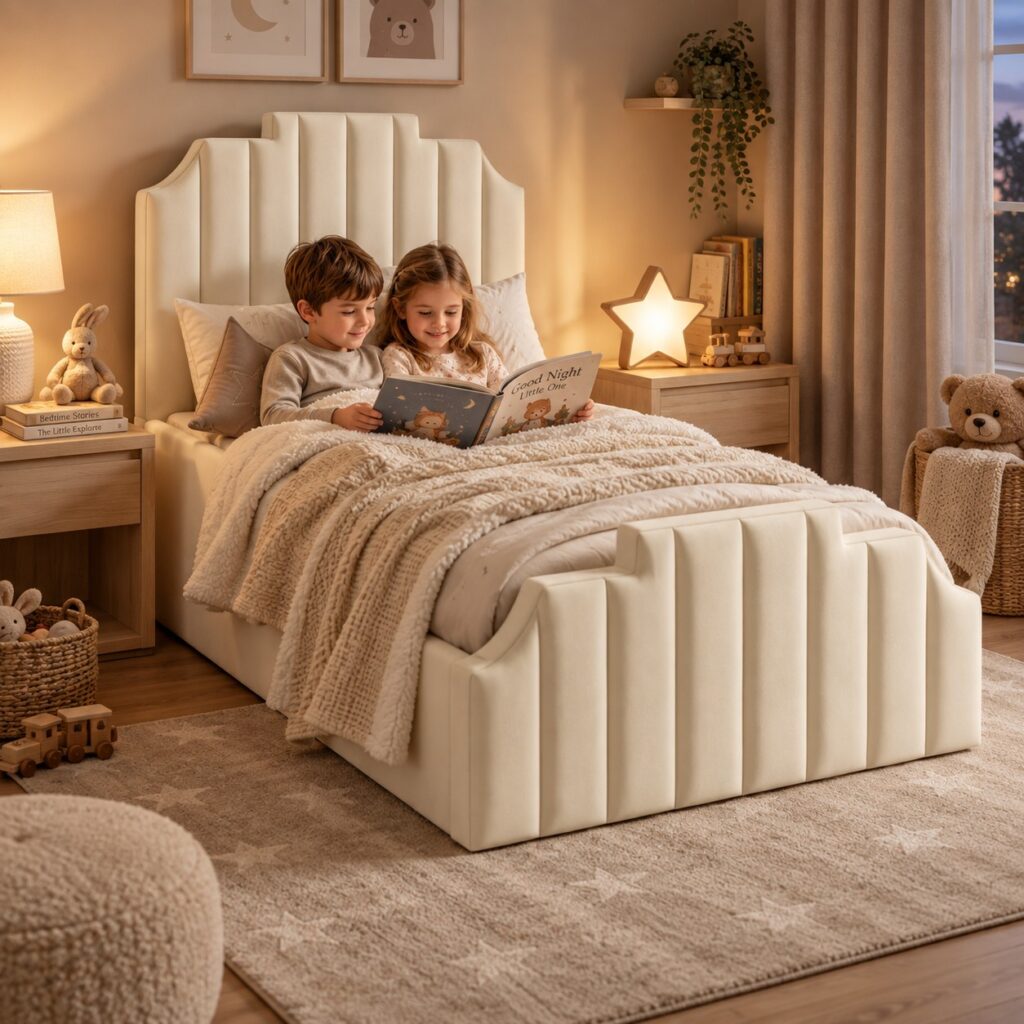
- One or two stories in bed
- A cuddle, lights down and goodnight
Start at the same time each evening and keep it to around 30 to 45 minutes. Most toddlers need between 11 and 14 hours of sleep in 24 hours, naps included, so an earlier bedtime is often kinder than a later one.
Keep Screens Out of the Bedroom
Tablets and cartoons right before bed keep little minds whirring. Switch screens off at least an hour before lights out and keep them out of the bedroom altogether.
What to Do If They Keep Getting Up
Expect a few escapes early on. The trick is to stay calm and a little boring. Walk your child back to bed with as little chat as possible, tuck them in and say goodnight. Consistency pays off. A clock that changes colour in the morning can help younger children understand when it’s time to get up.
Choosing the Right Bed
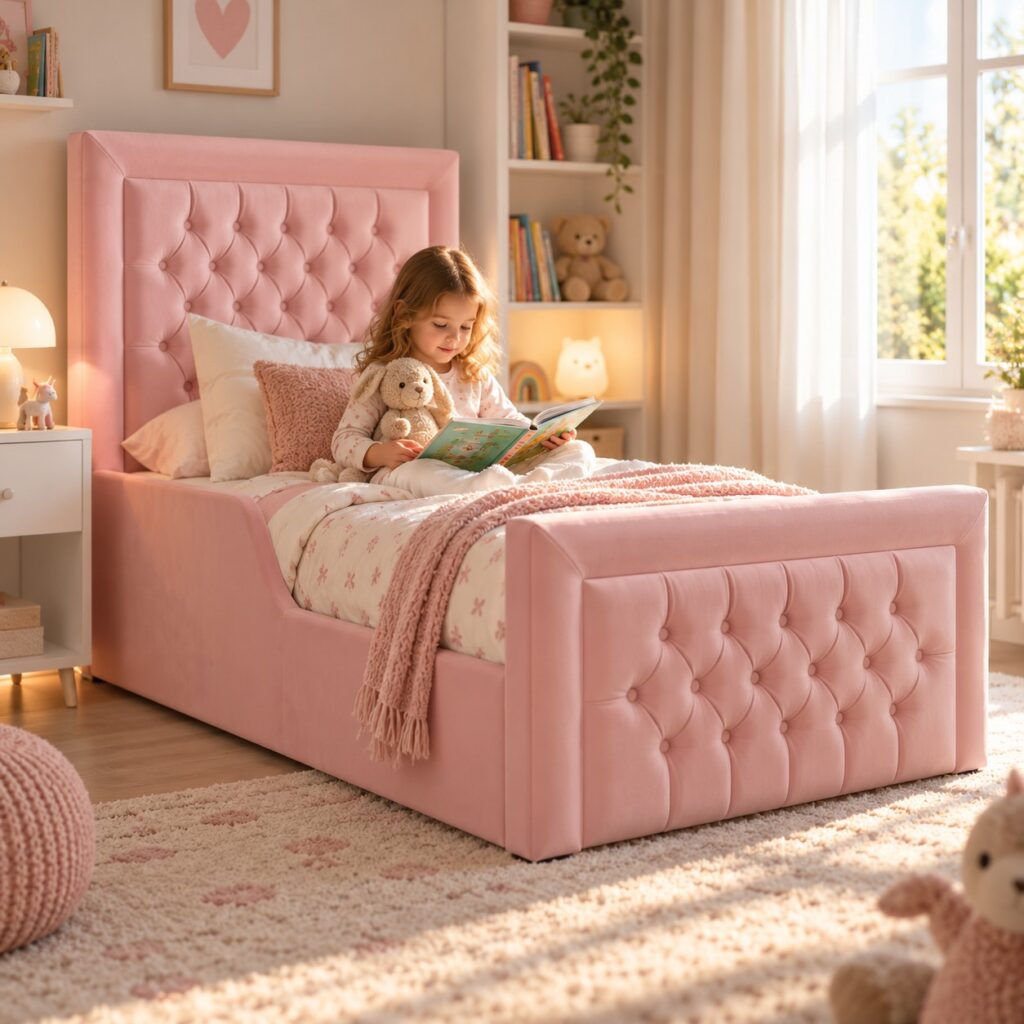
When it comes to the bed itself, it’s worth choosing one that’s built to last. Deeplay Beds is a UK bed maker based in Luton that makes upholstered beds to order in every size, from children’s beds to king-size frames. Because each bed is made to order, you can pick a fabric and colour to suit your child’s room and choose a design they’ll grow into rather than out of.
Be Patient With the Process
keep the routine steady.
Before long, the cot will be a distant memory and you’ll have a proud little person showing off their grown-up bed to anyone who’ll listen. And once bedtime runs like clockwork, you’ll finally get your evenings back. If your own bedroom is where you like to unwind, TV bed frames let you enjoy a film in bed, then hide the screen away so the room feels calm again when it’s time to sleep.