Learning to dress independently is an important life skill. It can give children a sense of achievement and is a process that is good to involve your child in as early as possible. If children find it hard to do up their shoes, buy slip-ons or shoes with Velcro fastenings. If buttons are a problem, buy trousers or skirts with elastic waists and choose coats with simple fasteners like large zips or poppers. It is actually much easier for your child to learn how to undress before dressing, so it’s a good idea to practice taking clothes off first and go from there.
Using the toilet independently before starting school is an important skill that will help make the transition much easier for your child – although, do know that your child will not be left to struggle alone at school. Toilet training in the most literal sense is a great way to encourage independence and get into a good toilet routine, e.g wipe, flush, wash hands at home. Don’t forget to praise your child each time they remember the routine.
Handwashing is a lifelong healthy habit that you can start teaching at an early age and is something even young children have been much more aware of during the Covid-19 pandemic. Teaching kids the five easy steps for handwashing – wet, lather, scrub, rinse and dry – and the key times to wash hands, such as after using the bathroom, before eating after blowing their nose etc. will help reinforce the message.
Some children find it hard to master the art of eating with cutlery, so let them practice as much as possible. Give them their own cutlery set featuring a favourite design or character. We love the range at Nana’s Manners. Encourage family mealtimes together so that your child can see how you use cutlery and help them to master it themselves.
Children need to learn the value of cleaning up. Not only does it help to build a sense of responsibility, it builds lifelong good habits. Make tidying up fun rather than a punishment – try singing ‘This Is The Way We Tidy Up’ to the tune of The Wheels On The Bus. Give them a five minute warning before tidy up time, then join them for a singing tidy-up session. Also, try to create a place for everything – while it seems like it would be easier for children to put away their toys if they simply had to dump everything into a big toy bin, this isn’t generally the case. This will further help them at school when they have to put items away in the correct place.
To encourage children to blow their noses by themselves, get them do this by holding a tissue to their nose, advising them to close their mouth, and then pretend to blow out birthday candles with their nose. Keep in mind that you want them to blow gently. Then encourage them to wipe, put the tissue in the bin and wash their hands (see above). Treat them to some children’s tissues of their favourite character or colours to make this skill more appealing.
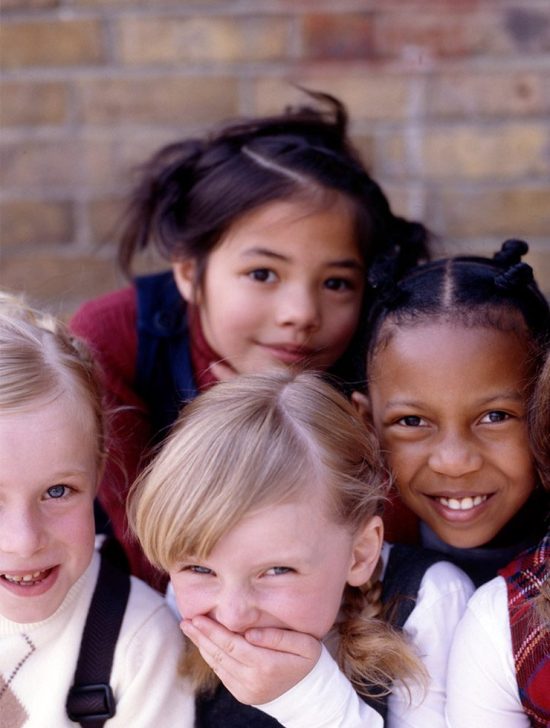
Hopefully your child has been to pre-school or nursery and is practised in the art of mixing with other children. But, to further bring them out of their shell, invite a few friends with children over to encourage playing together and sharing. You could also visit a playgroup with younger children, delve into your child’s interests and enrol them in a club or class for the Summer – an art club, children’s yoga, football or any activity that they enjoy or, if your kid is more of a follower or won’t make a move unless their friends do the same thing, find out which activities his or her pals are into and then offer to sign them up as a starting point.