Growing vegetables with children might seem like a sweet and simple activity but the rewards are huge and multi-layered. You don’t need a sprawling garden, years of experience, or a shed full of tools – just a few containers, some decent compost, and a packet or two of vegetable seeds to get started. Children can get involved at every stage, from filling pots with soil to pulling up their first carrot, and that hands-on involvement is really the whole point.
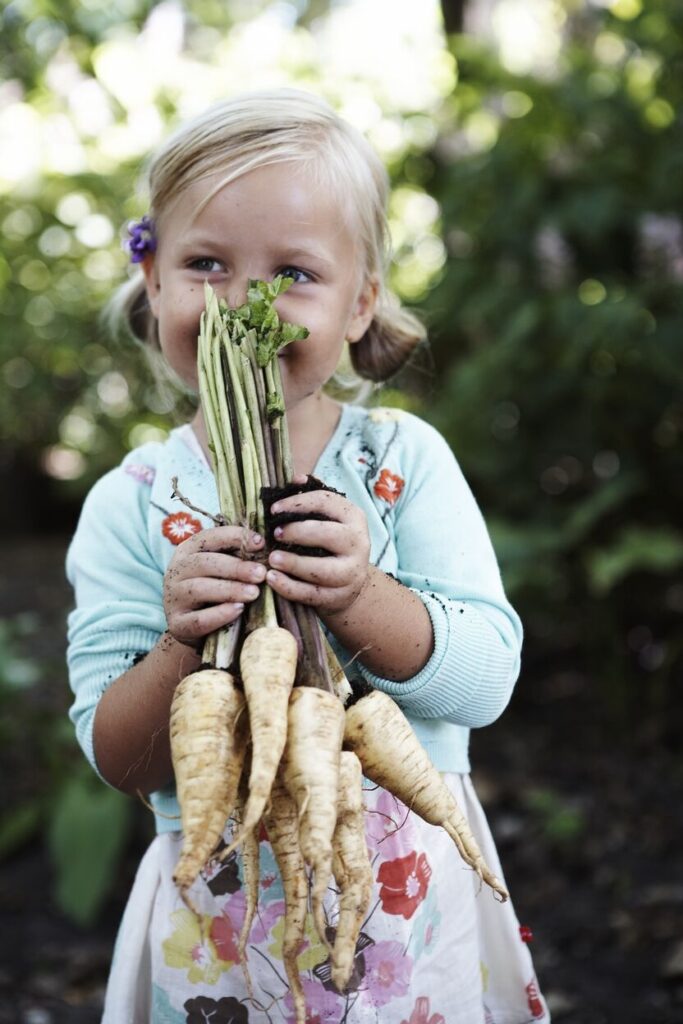
Why gardening is a great activity for children
There’s something genuinely different about gardening compared to most activities children do. It combines being outside, getting mucky, and watching something actually happen as a result of their own care. That last part matters – children see the results of what they’ve done, and it builds real confidence over time. Patience, too, athough that quality might take a little longer to perfect.
It also answers a question most children have never thought to ask: where does food actually come from? Many kids only encounter vegetables once they’re already on a plate, so growing something from seed changes their perspective in a way that’s hard to replicate elsewhere. They’re often far more willing to eat something they’ve grown themselves, which is a welcome bonus.
There’s a quieter benefit as well. Time spent outside, hands in soil, watching something slowly change – it’s calming in a way that feels like a great antidote to screens and the fast pace of pre-school and school.
Choosing the right space
You really don’t need much room to get growing. A mini vegetable garden works perfectly well in containers, which means almost any outdoor – or even indoor – spot can be made to work.
Good locations include:
- balconies
- patios
- windowsills
- small garden corners
- shared outdoor spaces
The main thing to look for is light. Most vegetables want a good few hours of sun each day, though some leafy greens will manage with a bit less. Let the children help pick the spot – it gets them invested straight away.
Simple supplies to get started
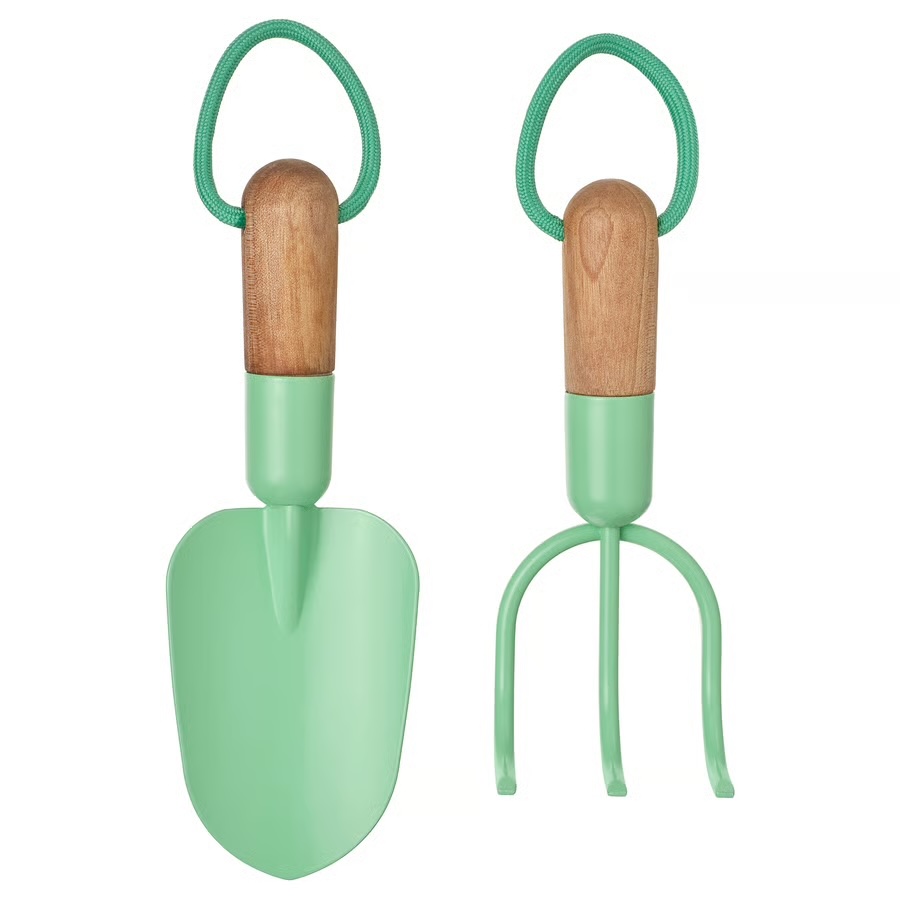
There’s no need to overcomplicate things. A simple setup works just as well as an elaborate one, and it keeps the focus on the growing rather than the gear.
Basic essentials:
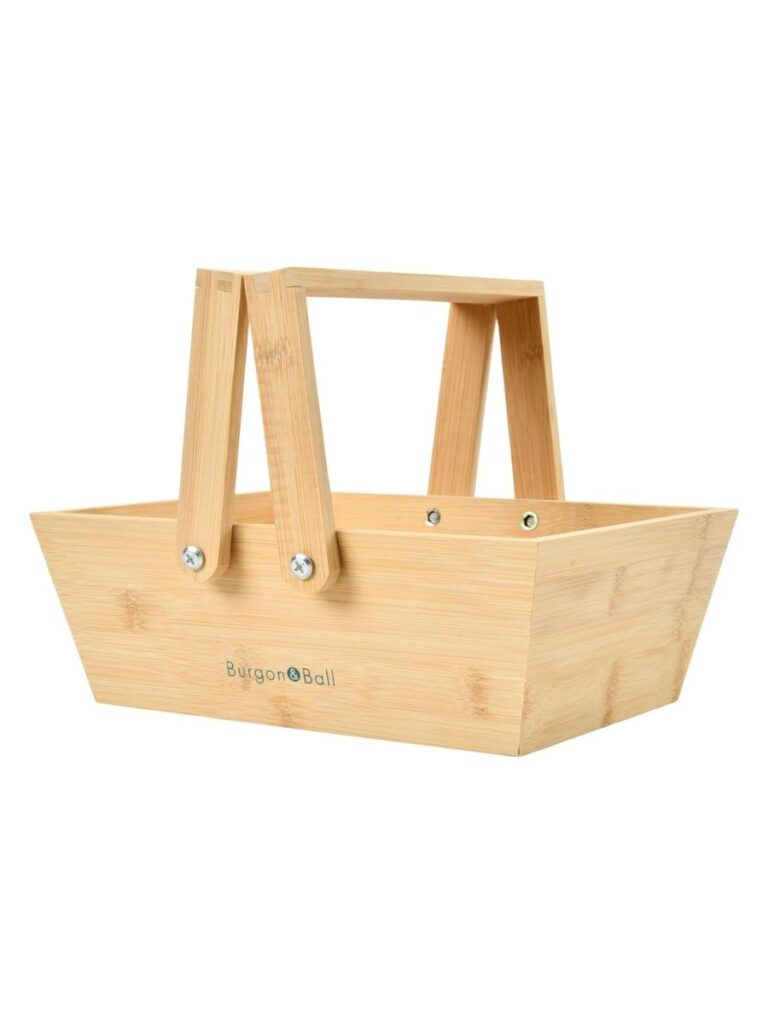
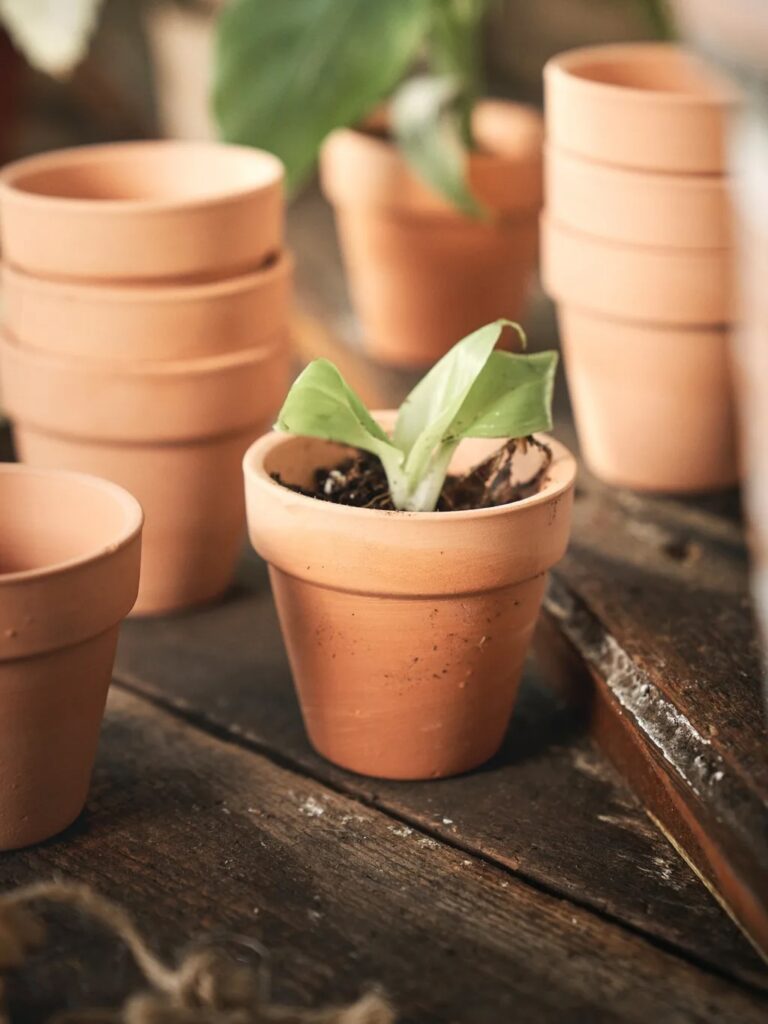
- plant pots or containers with drainage holes
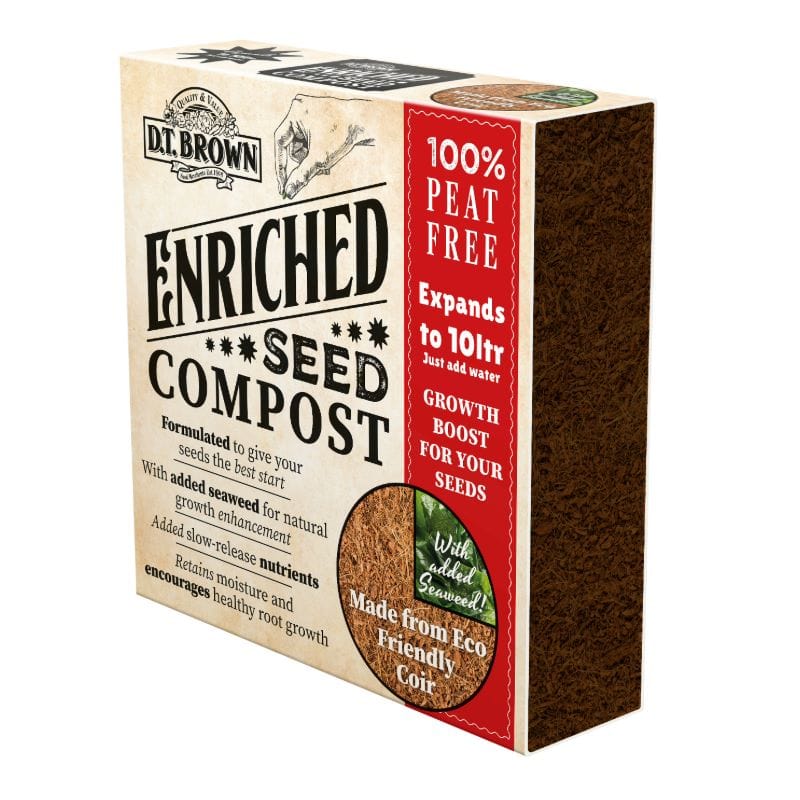
- compost suitable for vegetables
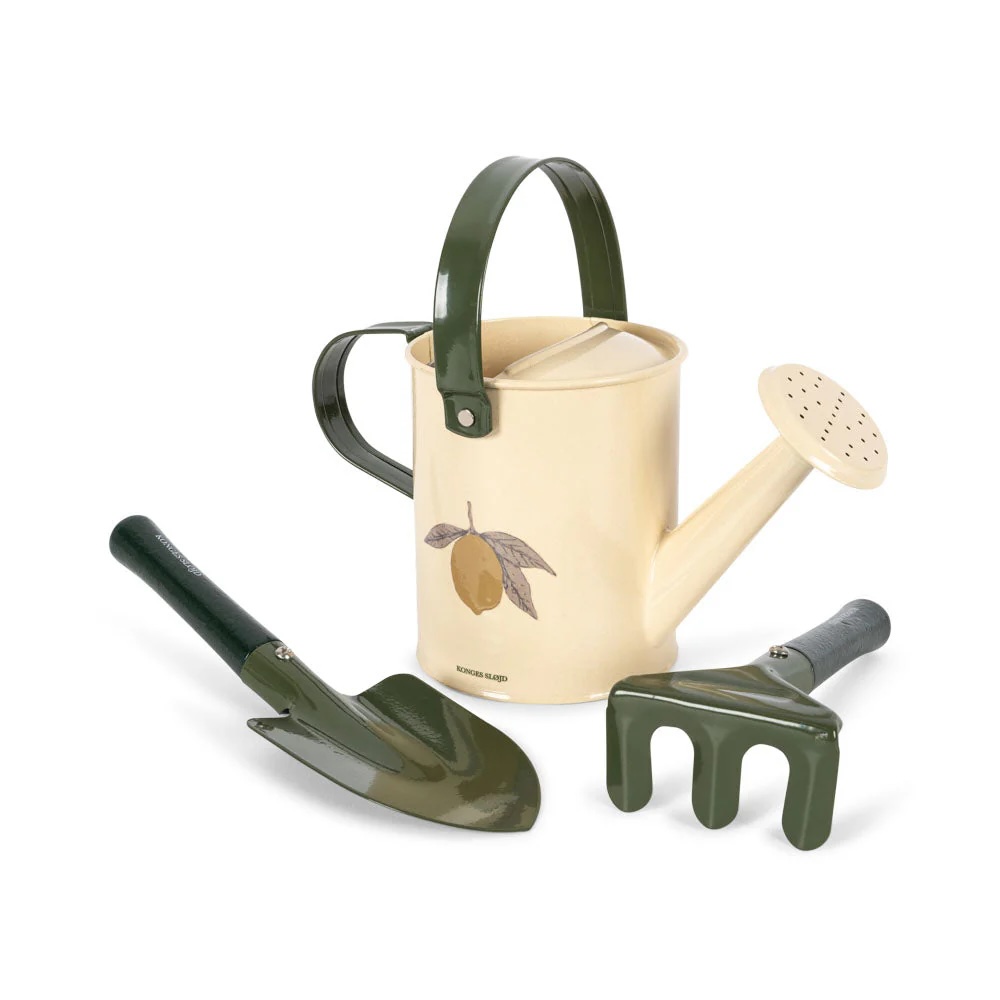
- a small watering can
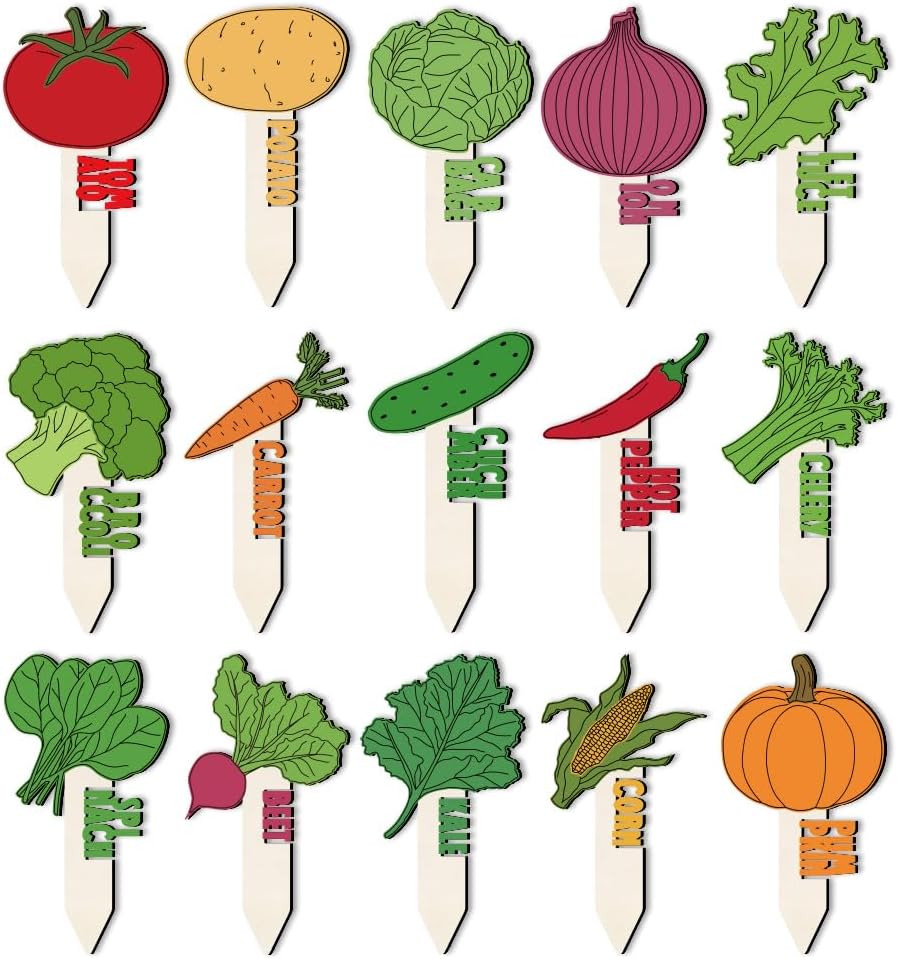
- labels or sticks for naming plants
Let children decorate their containers if they fancy it – paint, stickers, whatever takes their interest. It makes the space feel like theirs, which gives them a sense of connection from the beginning.
Easy vegetables for beginners
Choosing what to grow makes a real difference, especially early on. Plants that grow quickly keep children engaged; ones that take months to show any signs of life tend to lose them.
Beginner-friendly vegetables include:
- salad leaves
- radishes
- peas
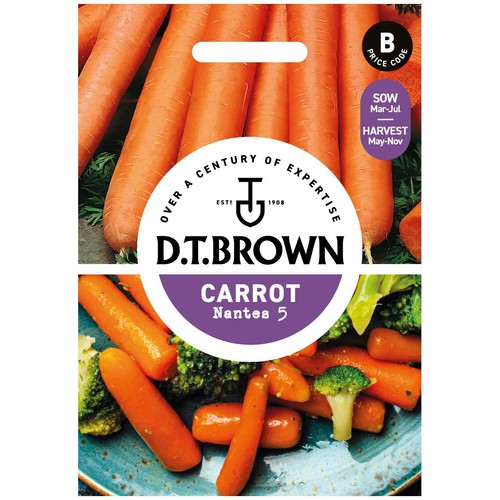
- carrots (short varieties suit pots well)
- cherry tomatoes
These all germinate fairly quickly and don’t need a great deal of fussing over. When children can see progress within days, they’ll be back checking every morning without any prompting.
Step-by-step planting guide
Keeping the process simple means children can really get involved rather than just watching.
Fill containers with compost – Leave a small gap at the top – a centimetre or two is enough – so compost doesn’t spill out when watering.
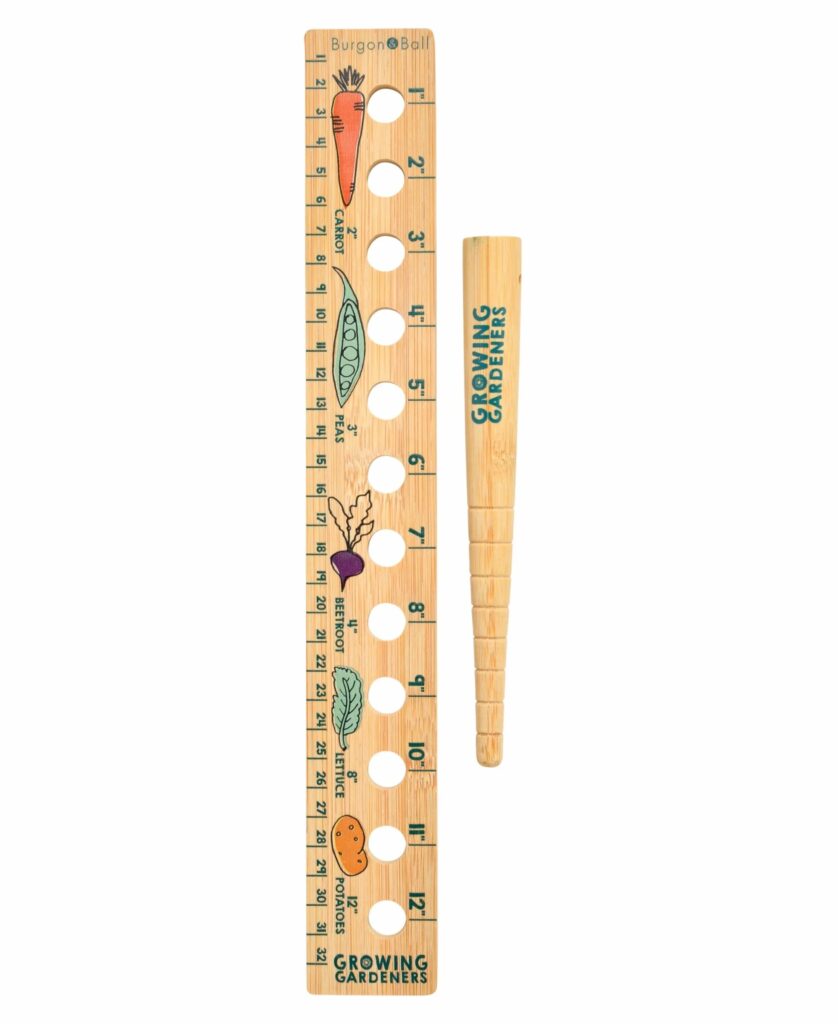
Sow seeds carefully – Show children how to place or sprinkle seeds gently, leaving a bit of space between them.
Cover lightly with soil – Most seeds only want a thin layer of compost over the top. It doesn’t need to be deep.
Water gently – A slow, gentle pour keeps the soil moist without waterlogging it. Worth showing them the difference.
Label each plant – Writing the name helps children remember what’s where and makes checking on progress much more satisfying.
Encourage them to take a look each day. That first glimpse of a green shoot pushing through is genuinely exciting – for adults too, if we’re honest.

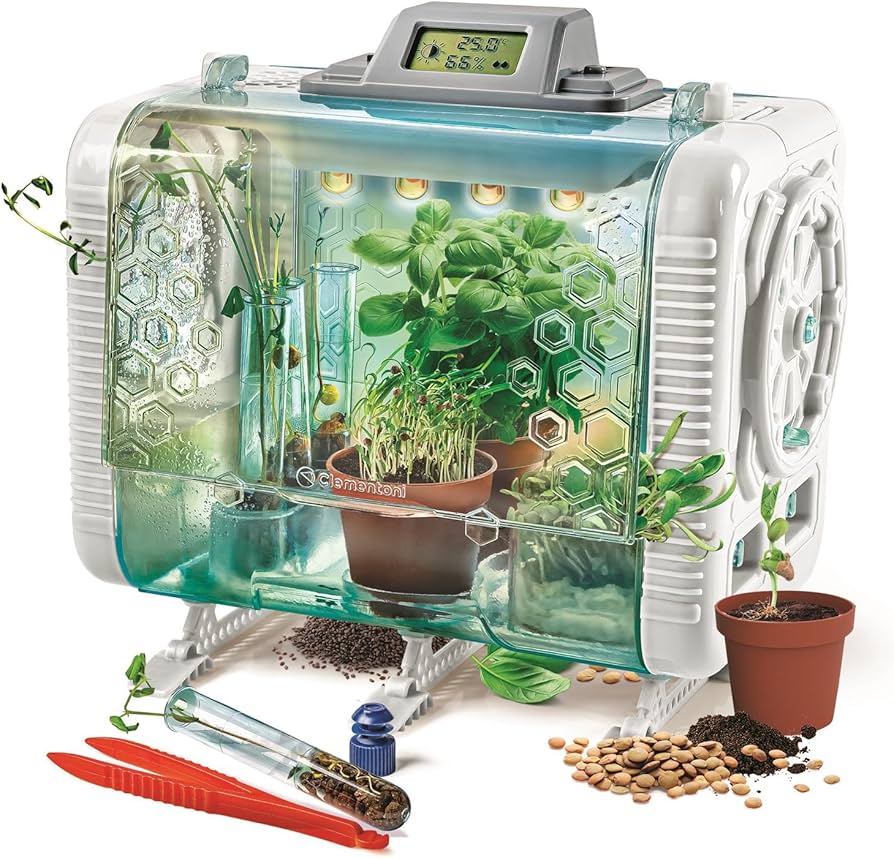
Turning gardening into a learning activity
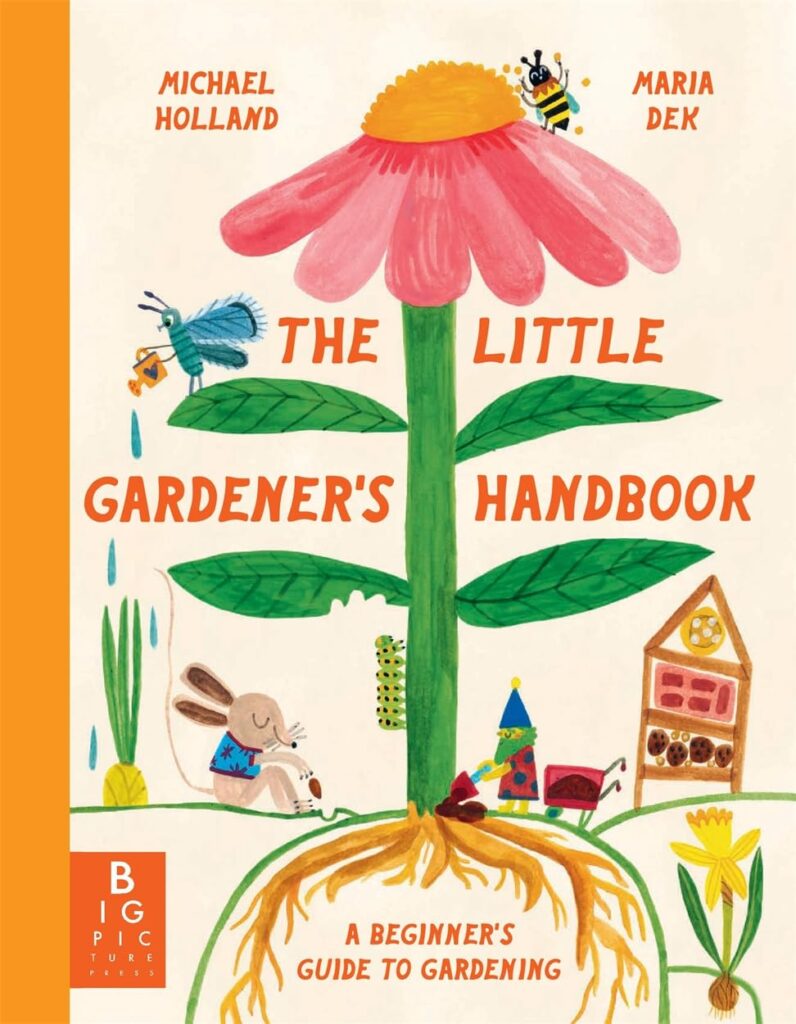
A vegetable garden teaches things without it ever feeling like a lesson, which is rather the best way to learn anything. As plants develop, questions come naturally. You might talk about how roots absorb water?, why sunlight matters?, what insects are actually doing in the garden? or why plants love rain?
Keeping a simple growth chart, or drawing the plants each week, helps children notice gradual changes they might otherwise miss. It introduces proper observation and basic scientific thinking without anyone realising that’s what’s happening.
Making gardening part of a routine
Plants do best with regular attention, and so do children when it comes to developing responsibility. A few minutes each day is far more effective than a big effort once a week. You could: water together each morning, measure plant height weekly, or harvest vegetables at the weekend. Short and regular beats long and occasional every time. When it becomes a natural part of the day rather than a special occasion, children are much more likely to stay interested.
Harvesting together
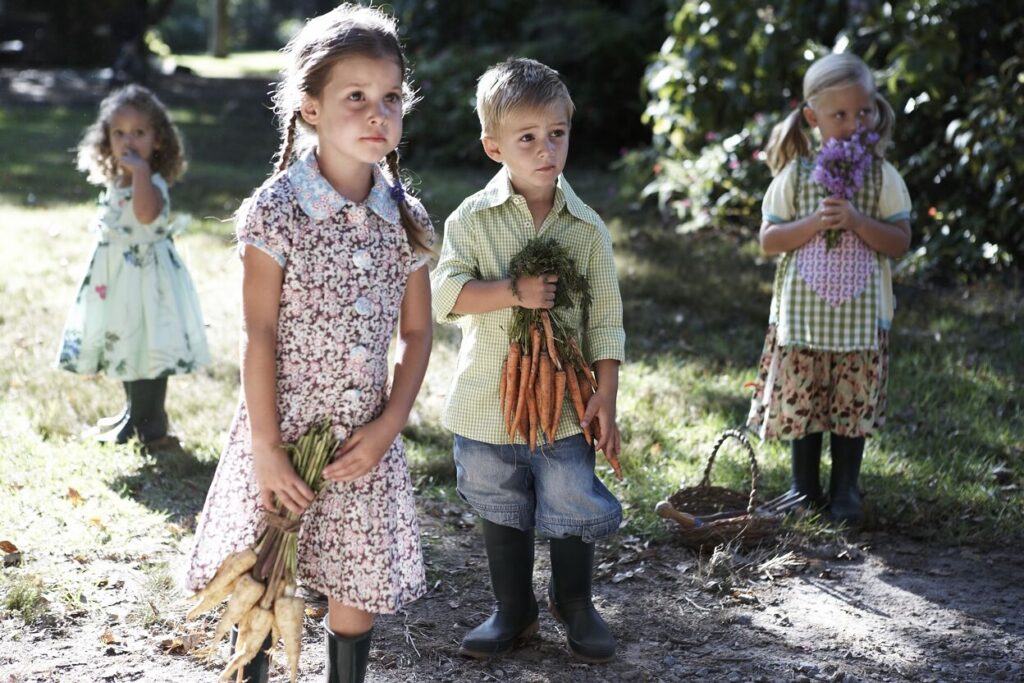
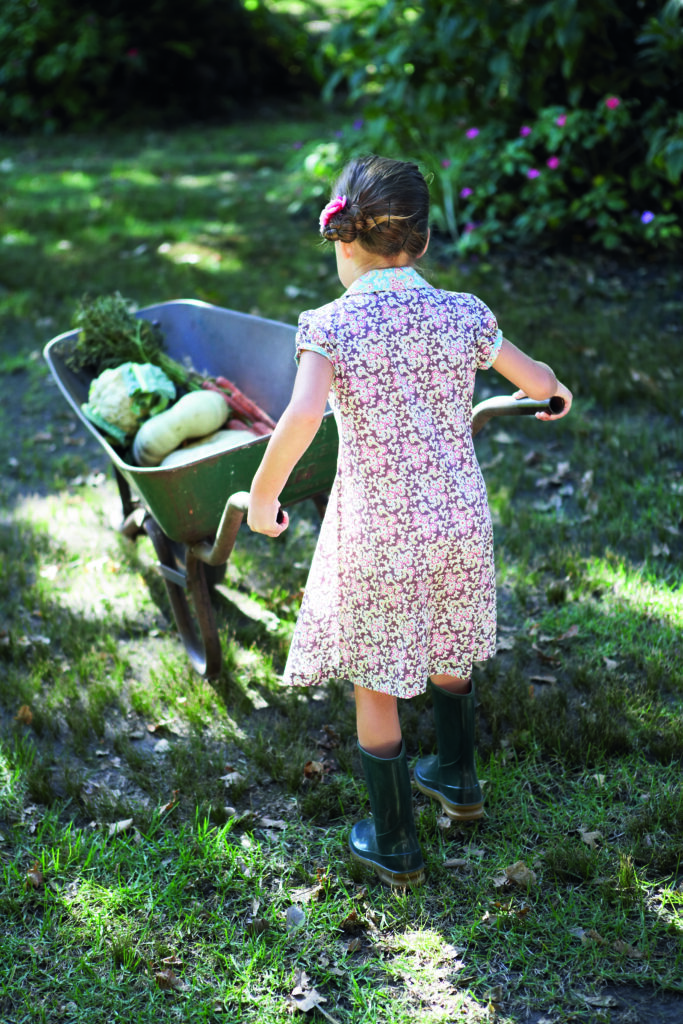
For most children, harvesting is the best bit. All that waiting and checking suddenly pays off, and the connection between effort and result becomes tangible in a way they won’t forget. When vegetables are ready you could show children how to pick gently without pulling the whole plant up, explain which parts to harvest and which to leave and encourage them to smell things, feel textures, notice the differences. Using what they’ve grown in an actual meal makes it even more meaningful. Even a handful of leaves or a few cherry tomatoes feels significant when children did the growing themselves.
Encouraging creativity in the garden
Gardening doesn’t have to begin and end with plants. Adding a creative element makes the space feel more personal and keeps different kinds of children engaged. Ideas include: painting plant labels, building small signs, decorating pots and keeping a garden journal. It’s a nice way to bring art and nature together, and children who are more drawn to making things often find it gives them another reason to stay involved.
Building confidence through growing
Perhaps the most underrated thing about gardening is what it quietly teaches children about resilience. Plants grow on their own schedule. Some don’t sprout. Some struggle. None of that is a failure – it’s just how growing works, and working through it builds something in children that’s genuinely useful.
Mark the small moments. The first leaf, the first flower, the first thing they can actually eat. Children who feel proud of those early milestones tend to want to try more, plant more, and push further on their own.
A simple project with lasting benefits
None of this requires much – not much space, not much money, not much expertise. A few pots on a patio or a windowsill box can be enough to start something that sticks.
Mini vegetable gardens have a habit of sparking curiosity that goes well beyond the garden itself. They encourage responsibility, offer a bit of quiet on busy days, and show children – in the most straightforward way possible – that something they plant and tend themselves can grow into something real. That’s a lesson that tends to last long after the last tomato has been picked.